

Low-Dose Naltrexone, or LDN, is a medication used in very small doses to help manage a range of chronic health conditions. It works by gently nudging your body’s immune system and boosting its natural pain-fighting chemicals called endorphins. Unlike conventional painkillers, LDN doesn’t just mask symptoms; it aims to rebalance the body’s internal systems. It’s used ‘off label’ in the UK, meaning it’s prescribed for a purpose other than its original licence.
This guide will walk you through exactly how LDN works, the conditions it’s being used for, and the practical steps for exploring it safely. We’ll look at the science, real-life examples, and what to expect on your journey, so you can have an informed conversation with your healthcare provider.
Table of contents
-
 Circadin 2mg Prolonged Release TabletPrice range: £24.99 through £45.99
 -
Quviviq 50mg tablets£82.99
Five key takeaways
- It’s a regulator, not a painkiller: LDN helps your body produce more of its own pain-relieving and immune-balancing chemicals.
- The dose is tiny: It uses a fraction (e.g., 4.5mg) of the standard naltrexone dose (50mg).
- It’s ‘off label’ in the UK: You’ll likely need a private prescription, as it’s not typically available on the NHS for these uses.
- Patience is key: Benefits are often gradual, taking 3–6 months to become fully apparent.
- Safety first: You must not take it with opioid painkillers like codeine or tramadol.
What is low-dose naltrexone and how does it work?
Naltrexone itself is not a new drug. The NHS licenses it at high doses (50mg or more) to treat opioid and alcohol dependence [1]. However, at a very low dose, typically between 0.5mg and 4.5mg, it has a completely different effect on the body. This is why it’s known as LDN.
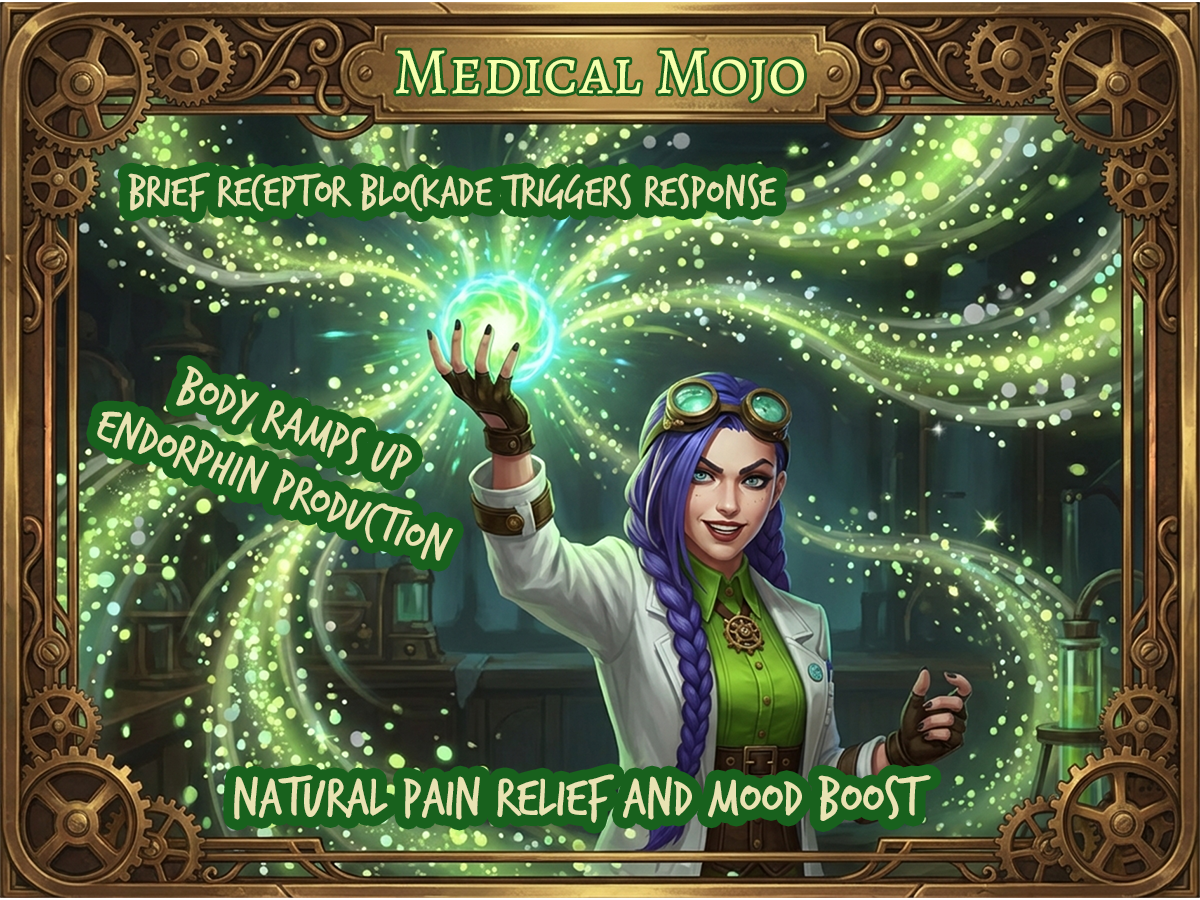
The key idea behind LDN is clever. When you take a tiny dose at bedtime, it briefly blocks opioid receptors in your brain and body for a few hours. Your body senses this temporary blockade and thinks it’s short on endorphins (your natural ‘feel-good’ chemicals).
In response, your system ramps up the production of endorphins and makes your receptors more sensitive. Once the LDN wears off, your body is flooded with a higher level of its own natural pain-relieving and immune-regulating chemicals. This ‘rebound effect’ helps to calm inflammation and reduce pain sensitivity throughout the following day.

A different approach to chronic conditions
This unique action is why LDN is called an immunomodulator. Instead of suppressing the immune system or blocking pain signals, it helps the body regulate its own processes. This makes it an interesting option for conditions where the immune system is overactive or where chronic inflammation is a major problem.
Many people in the UK with long-term illnesses seek options beyond standard treatments. You can explore how LDN fits into this picture by reading our guide on obtaining a private low-dose naltrexone prescription in the UK.
Mini-Answer: LDN is not a cure. It is a tool that may help your body better manage symptoms like chronic pain, fatigue, and inflammation, often when other treatments haven’t worked.
How LDN works in your body
To understand LDN, you need to know about endorphins. You might know them as the source of a ‘runner’s high’, but these natural chemicals do much more. They are vital for managing pain and keeping your immune system balanced. Think of your body as having a network of switches called opioid receptors, which control pain and immune cell behaviour.
The rebound effect: the key to LDN’s action
The magic of LDN lies in its indirect approach. A tiny dose, usually taken at night, temporarily blocks these opioid receptors. Your body notices this blockade, thinks there’s an endorphin shortage, and launches a powerful counter reaction.
First, your body starts making more endorphins to fix the perceived shortage. At the same time, it makes the receptors more sensitive. The result is a ‘rebound effect’. Once the LDN wears off, your system is filled with a higher level of its own natural, pain-relieving, and inflammation-calming chemicals. This surge helps rebalance the immune system and dial down pain, with benefits lasting through the next day.
Pharmacist’s tip: We always use a ‘start low, go slow’ approach with LDN. Beginning with a very small dose, like 0.5mg or 1.5mg, lets your body adapt gently. We then increase the dose over several weeks to find your ideal dose, which minimises side effects like vivid dreams.
LDN vs. standard naltrexone: a tale of two doses
It is crucial to know that low-dose and standard-dose naltrexone work in almost opposite ways. Standard-dose naltrexone (50mg) treats addiction by creating a complete and long-lasting blockade of opioid receptors.
LDN, at doses around 1/10th of the standard amount, causes only a brief, partial blockade. This gentle nudge is what triggers the beneficial rebound effect. A full blockade from a higher dose would prevent this from happening.
Low-dose LDN vs. standard naltrexone: a quick comparison
The table below breaks down the key differences between these two dosing strategies.
| Feature | Low-Dose Naltrexone (LDN) | Standard Naltrexone |
| Typical Daily Dose | 0.5mg – 4.5mg | 50mg – 100mg |
| Primary Goal | Modulate the immune system & boost endorphins | Block the effects of opioids & alcohol |
| Receptor Action | Brief, temporary blockade (a few hours) | Continuous, complete blockade (all day) |
| Main Effect | Creates a ‘rebound’ of natural endorphins | Stops opioids from working |
| Common Use | Chronic pain & autoimmune conditions (off-label) | Opioid & alcohol dependence (licensed) |
This unique action at a low dose is why LDN has gained so much interest for chronic conditions. You can read more about the connection between the immune system and endogenous opioids to dig deeper into the science.

What conditions is LDN used for?
While the NHS licenses the full 50mg dose of naltrexone for addiction, its low-dose form is a different story. Clinicians are increasingly prescribing it ‘off label’ for a range of conditions, especially those driven by an overactive immune system and chronic inflammation.
Autoimmune conditions
In an autoimmune disease, the immune system mistakenly attacks healthy tissues. LDN’s potential here is to gently rebalance this over-the-top response, not shut it down completely. It is thought to calm inflammatory signals and promote a less aggressive state.
Clinicians are exploring LDN for several autoimmune conditions, including:
- Multiple Sclerosis (MS): Early research suggests LDN may help with symptoms like fatigue and muscle spasms [2].
- Crohn’s Disease: Some studies suggest it might help reduce gut inflammation and improve quality of life [3].
- Hashimoto’s Thyroiditis: It is used to manage the autoimmune attack on the thyroid gland by reducing inflammation.
Chronic pain syndromes
Chronic pain often involves a process called central sensitisation. This is when the body’s alarm system gets stuck on high alert, making pain feel much more intense. LDN is thought to help by boosting endorphins and reducing inflammation in the nervous system.
Real-life example: Sarah, a 42-year-old busy parent and primary school teacher in Manchester, has lived with fibromyalgia for years. The constant pain and deep fatigue made getting through a school day feel impossible. After starting LDN with a private clinician, she gradually noticed her aches lessening and found she had more energy for her pupils and family.
Pain conditions where LDN is often considered include:
- Fibromyalgia: This is one of the most common reasons people try LDN. Research suggests it can help reduce widespread pain and fatigue [4].
- Ehlers-Danlos Syndromes (EDS): For those with hypermobility-related pain, LDN is sometimes used to help manage symptoms.
- Complex Regional Pain Syndrome (CRPS): Its potential anti-inflammatory action on nerve cells is a key reason for its use in this condition.
We go into more detail on the evidence for Low-Dose Naltrexone use in fibromyalgia in another article.

Emerging areas of use
Science is always moving forward. LDN is now being explored for complex conditions that have been difficult to treat. These illnesses often share features like immune system problems, inflammation, and nervous system issues.
Real-life example: David, a 35-year-old graphic designer and shift worker from London, was left with debilitating brain fog after a COVID-19 infection. As part of a multi-faceted treatment plan, he started LDN. Over several months, he reported feeling mentally sharper, allowing him to focus on projects for longer.
Some of these emerging uses include:
- Long COVID: Clinicians use LDN to try and tackle the persistent inflammation, pain, and fatigue common in this condition.
- Myalgic Encephalomyelitis/Chronic Fatigue Syndrome (ME/CFS): Like with fibromyalgia, it’s used to help manage pain and energy levels.
- Mast Cell Activation Syndrome (MCAS): By modulating the immune system, it is thought to help stabilise overactive mast cells.
Pharmacist’s tip: The level of scientific evidence for LDN varies a lot between conditions. Some have promising small studies, but others lack large clinical trials. A chat with a knowledgeable healthcare professional is essential. They can help you weigh the potential benefits against the uncertainties for your situation.
How to get LDN in the UK
If you’re interested in exploring LDN, a practical question is: how do you get it? In the UK, you can’t expect to get it on a standard NHS prescription.
The main reason is that LDN is used ‘off label’ for chronic health conditions. This term means a doctor prescribes a medicine for a purpose different from its original licence. The UK’s Medicines and Healthcare products Regulatory Agency (MHRA) has only licensed standard-dose naltrexone for addiction treatment [1].

The patient journey to access LDN
For most people, the journey starts with their GP. While your GP should always be your first point of contact, they are often unable to prescribe LDN for off label uses due to NHS guidelines.
This usually means people look for a private doctor or a specialist clinic with experience in this area. These clinicians can assess if LDN is a suitable and safe option for you. The private route is the most common way people in the UK access LDN today. Our guide on how to get a prescription online in the UK a quick and safe guide can help.
The state of LDN research in the UK
One hurdle for LDN becoming an NHS treatment is the lack of large-scale clinical trials. However, the body of research is growing, partly due to strong patient interest.
A great example is the work being done for Myalgic Encephalomyelitis (ME/CFS). The ME Association is helping to fund a major clinical trial for LDN, which has seen huge patient interest. This research will build on what we already know and hopefully provide the high-quality evidence needed for wider acceptance. You can read more about the clinical trial progress on the ME Association website.
Pharmacist’s tip: When you get a private prescription for LDN, you must use a General Pharmaceutical Council (GPhC) registered pharmacy. This guarantees the medication is legitimate, accurately dosed, and prepared to strict safety standards. Never buy LDN from unregulated online sellers—you have no way of knowing what you are getting.
Understanding LDN dosing, safety, and side effects

Starting any new medication comes with questions about safety. The good news is that at very low doses, most people tolerate LDN well. Because the dose is so small, side effects are usually mild and temporary. They tend to appear when you first start or increase your dose and often fade as your body gets used to it.
Common side effects and how to manage them
The most common side effects are linked to the endorphin boost. They might feel strange at first but are rarely a cause for major concern.
Here are a few of the most common ones:
- Vivid Dreams: This is the most well-known side effect. Some people find them interesting, while others find them disruptive.
- Sleep Disturbances: You might find it a little harder to fall asleep or stay asleep when you first start.
- Headaches: Mild headaches can happen as your body adjusts.
Pharmacist’s tip: If you experience vivid dreams or trouble sleeping, try taking your LDN dose in the morning instead of at night. You will still get the benefits, and it can make a big difference to your sleep. Just discuss this change with your prescriber first.
The ‘start low, go slow’ approach
To minimise these initial issues, clinicians use a careful titration method. This means starting on a very low dose and increasing it slowly over several weeks or months. This gives your body plenty of time to adapt.
A typical schedule might look like the one below, but your prescriber will create a plan tailored specifically for you.
Example LDN titration schedule
This table shows a typical ‘start low, go slow’ dosing schedule. Always follow your prescriber’s specific instructions.
| Week | Daily Dose | Notes |
| Weeks 1-2 | 0.5mg – 1.5mg | Start with a very low dose to let your body adjust. |
| Weeks 3-4 | 1.5mg – 3.0mg | Increase slowly only if you tolerate the initial dose well. |
| Weeks 5-8 | 3.0mg – 4.5mg | Gradually move towards the target dose. |
| Ongoing | 4.5mg (or your optimal dose) | Stay at the dose that gives you the most benefit with the fewest side effects. |
This gradual process is the safest way to find the perfect dose for your body. Our article on the 7 surprising things to avoid when taking Low-Dose Naltrexone provides more helpful insights.

Critical safety information: when not to take LDN
While LDN is safe for many people, there are important situations where it must be avoided.
Important Safety Notice: You must not take LDN if you:
- Are currently taking opioid-based painkillers (e.g., codeine, morphine, tramadol).
- Are having treatment for alcohol or drug dependence.
- Have acute hepatitis or severe liver problems.
- Are about to have surgery that needs opioid anaesthesia.
When to seek urgent help: Contact your clinician or seek urgent medical help if you experience signs of a severe allergic reaction (like swelling of the face or throat, or difficulty breathing) or sudden liver symptoms (like yellowing skin/eyes or severe abdominal pain).
Summary: your next steps with LDN
We’ve covered a lot. You now know what LDN is, how it works, its ‘off label’ status in the UK, and its potential for people with chronic conditions. It’s a different way of thinking about long-term illness, one that focuses on rebalancing your system rather than just masking symptoms. LDN is not a magic bullet, and finding the right dose takes patience and professional guidance.
If this article resonates with you, your next step is a conversation with a doctor who understands LDN. To prepare, write down your key symptoms, what you’ve tried, and any questions you have. This will help make the discussion more productive. For those in the UK looking for a regulated and supportive way forward, a service like Medical Mojo offers expert online consultations with UK-registered clinicians experienced in prescribing LDN.

FAQs
How long does it take for LDN to work?
Patience is essential with LDN. Because it works by gently rebalancing your body’s systems, changes are gradual. Some people notice subtle improvements in a few weeks, but for many, it can take three to six months to feel the full benefits. Don’t be discouraged if you don’t see a big shift right away.
Can I get LDN from my NHS GP in the UK?
It is very unlikely you can get LDN from an NHS GP. The medicine is used ‘off label’ for conditions like chronic pain and autoimmune issues, which is not what it’s licensed for in the UK. Due to strict NHS prescribing rules, most GPs cannot issue these prescriptions. This is why UK patients usually turn to private doctors or specialist services.
Is LDN addictive?
No, not at all. LDN is an opioid antagonist, meaning it blocks opioid receptors instead of activating them like painkillers do. There is no risk of dependence. It works with your body to trigger a natural rebound of your own endorphins.
What does ‘compounded’ LDN mean?
“Compounding” is when a specialist pharmacist creates a medication at a custom strength just for you. This is essential for LDN. Standard naltrexone tablets only come in high doses like 50mg. A compounding pharmacy must make the specific tiny doses needed for LDN, such as 1.5mg or 4.5mg, as capsules or a liquid.
Why must I stop opioid painkillers before starting LDN?
This is a critical safety rule. Because LDN blocks opioid receptors, taking it with opioid drugs in your system can trigger sudden, unpleasant withdrawal symptoms. You must be completely free of medicines like codeine, tramadol, or morphine for at least 7-14 days before you start. Your prescriber will give you specific advice.
What if I miss a dose of LDN?
If you miss a dose, just skip it and take your next dose at the usual time. Do not take a double dose to catch up. The way LDN works means a single missed dose is unlikely to cause any major issues.
Disclaimer: This article is for informational purposes only and does not constitute medical advice. Always consult with a qualified healthcare professional for any health concerns or before making any decisions related to your treatment.
How this content was created: This article was written by our in-house team of health writers and reviewed by a UK-registered pharmacist. We use reliable, evidence-based sources such as the NHS, NICE, peer-reviewed medical journals, and patient advocacy groups to ensure our content is accurate, up-to-date, and patient-focused.
References
[1] Available at: Naltrexone for opioid dependence. Side effects of Naltrexone
[2] Cree, B.A., Kornyeyeva, E. and Goodin, D.S., 2010. Available at: Pilot trial of low?dose naltrexone and quality of life in multiple sclerosis – Cree – 2010 – Annals of Neurology – Wiley Online Library
[3] Smith, J.P., Stock, H., Bingaman, S., Mauger, D., Rogosnitzky, M. and Zagon, I.S., 2014. Low-dose naltrexone therapy improves active Crohn’s disease. Available at: Official journal of the American College of Gastroenterology | ACG
[4] Metyas, S., Chen, C.L., Yeter, K., Solyman, J., and Arkfeld, D.G., 2018. Available at: Low Dose Naltrexone in the Treatment of Fibromyalgia | Bentham Science