

Feeling constantly drained is more than just being tired. It’s a heavy fog that can settle over every corner of your life. Getting to grips with how to manage chronic fatigue really starts with understanding your own limits and getting the right people in your corner. A good way to start thinking about this is ‘Spoon Theory’, which helps you picture your daily energy as a finite number of spoons you can’t go over.
Managing chronic fatigue is possible, and it starts with understanding what you’re up against, getting a proper diagnosis, and learning practical strategies like pacing to conserve your energy. This guide will walk you through those first crucial steps.
Table of contents
- Five key takeaways
- Your first steps in managing chronic fatigue
- Getting the right diagnosis is crucial
- Preparing for your GP visit
- Key symptoms to discuss with your GP
- Mastering pacing to conserve your energy
- Finding your personal energy envelope
- Putting pacing into practice
- Applying pacing to everyday activities
- Using technology to help
- Optimising sleep and nutrition for better energy
- Crafting a restful sleep environment
- Fuelling your body for sustained energy
- Building a gentle and sustainable activity plan
- Why old advice can be harmful
- Finding your true baseline
- Gentle movements you can adapt
- Finding the right medical and specialist support
- Medications and supplements
- Seeking specialist care
- Who might be on your team
- FAQS about chronic fatigue
- References
Five key takeaways
- Chronic fatigue isn’t “normal tired” — and you deserve a proper diagnosis.
If rest doesn’t fix it and symptoms drag on for months (often with PEM and brain fog), it’s time to get assessed and rule out other causes. - Learn to listen to your body and work with it, not against it.
Managing chronic fatigue means shifting from pushing through to pacing yourself gently and respecting your energy limits. - Pacing is the main skill: stay inside your “energy envelope”.
Stop the boom-and-bust cycle by planning rest, doing less in one go, and treating recovery time as part of the task. - Make daily life cheaper with activity chunking and small tweaks.
Break big jobs into mini steps (with rests), sit to prep food, simplify meals, shorten social plans, and spread chores across days. - Sleep, food, and the right support team can steady the whole system.
Improve sleep hygiene, aim for balanced meals and hydration, and lean on NHS services or specialists (OT, dietitian, physio, psychology) for a joined-up plan.
Your first steps in managing chronic fatigue
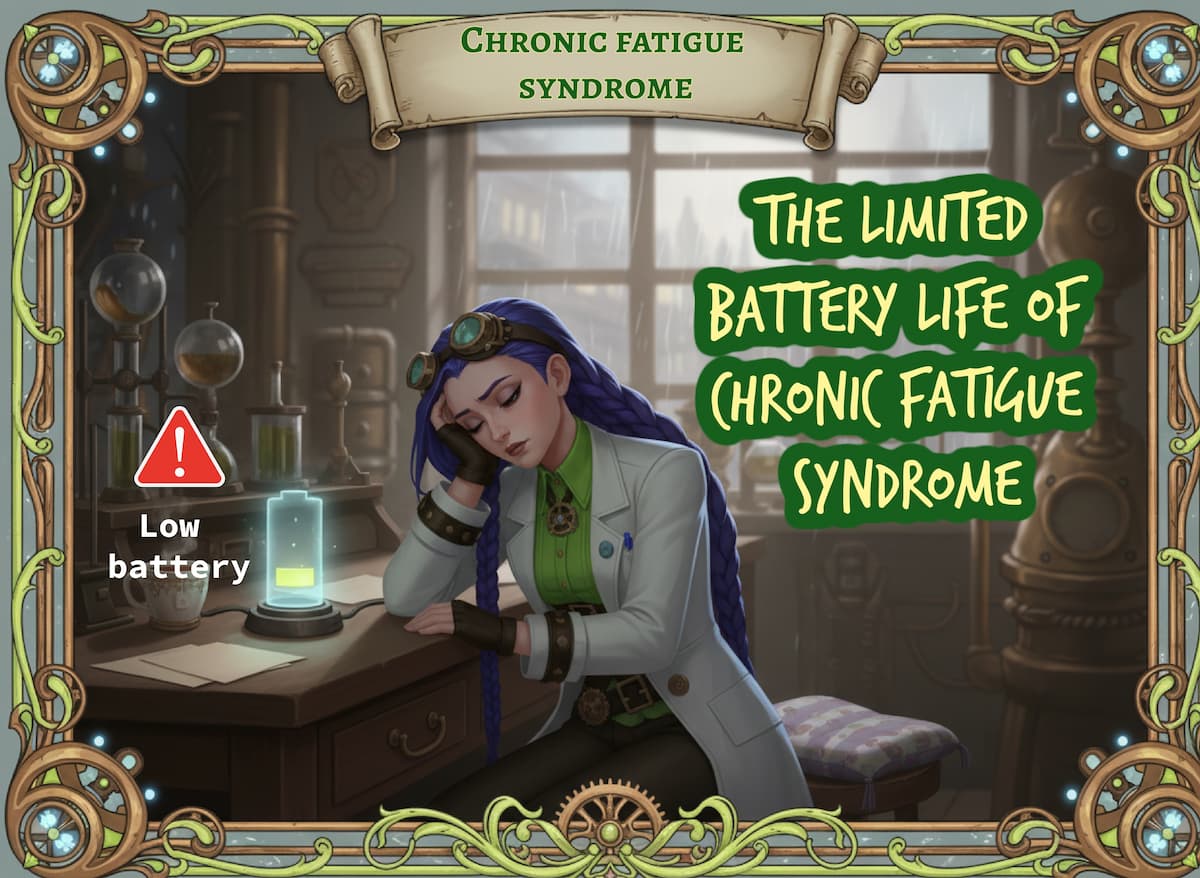
Living with an invisible illness can feel incredibly isolating. When every small task feels like climbing a mountain, the first step isn’t to “push through”—it’s to stop and listen to what your body is trying to tell you. This is all about shifting your mindset from fighting your body to working with it.
It’s so important to know the difference between this kind of profound, relentless fatigue and the normal tiredness everyone gets. Tiredness usually gets better with a good night’s sleep. The exhaustion from chronic fatigue, on the other hand, is a deep, unrefreshing state that sticks around for months and often gets worse with even the smallest effort [1]. Getting this distinction clear is the first step in advocating for yourself. For a deeper look into the condition, you can read our detailed guide on what Chronic Fatigue Syndrome is.
Getting the right diagnosis is crucial
An accurate diagnosis is probably the most powerful tool you can have. It validates what you’re going through and opens the door to the right support and management strategies. But getting diagnosed in the UK isn’t always a straight path.
The journey usually involves ruling out other health issues that cause similar symptoms, like thyroid problems or anaemia. Unfortunately, research shows that getting a diagnosis can be a bit of a postcode lottery, with social and healthcare factors playing a big role. For instance, one study estimates that up to 250,000 people in the UK have CFS, but this is probably a huge underestimation due to the issues with obtaining a diagnosis [2].
This is exactly why walking into your GP appointment prepared can make a huge difference. You are the expert on your own body, and having clear, organised information is key.
Preparing for your GP visit
To have a really productive chat with your GP, it helps to go in with more than just “I’m always tired.” That can be a hard starting point for a doctor. Instead, try to give them concrete examples of how it affects you day-to-day.
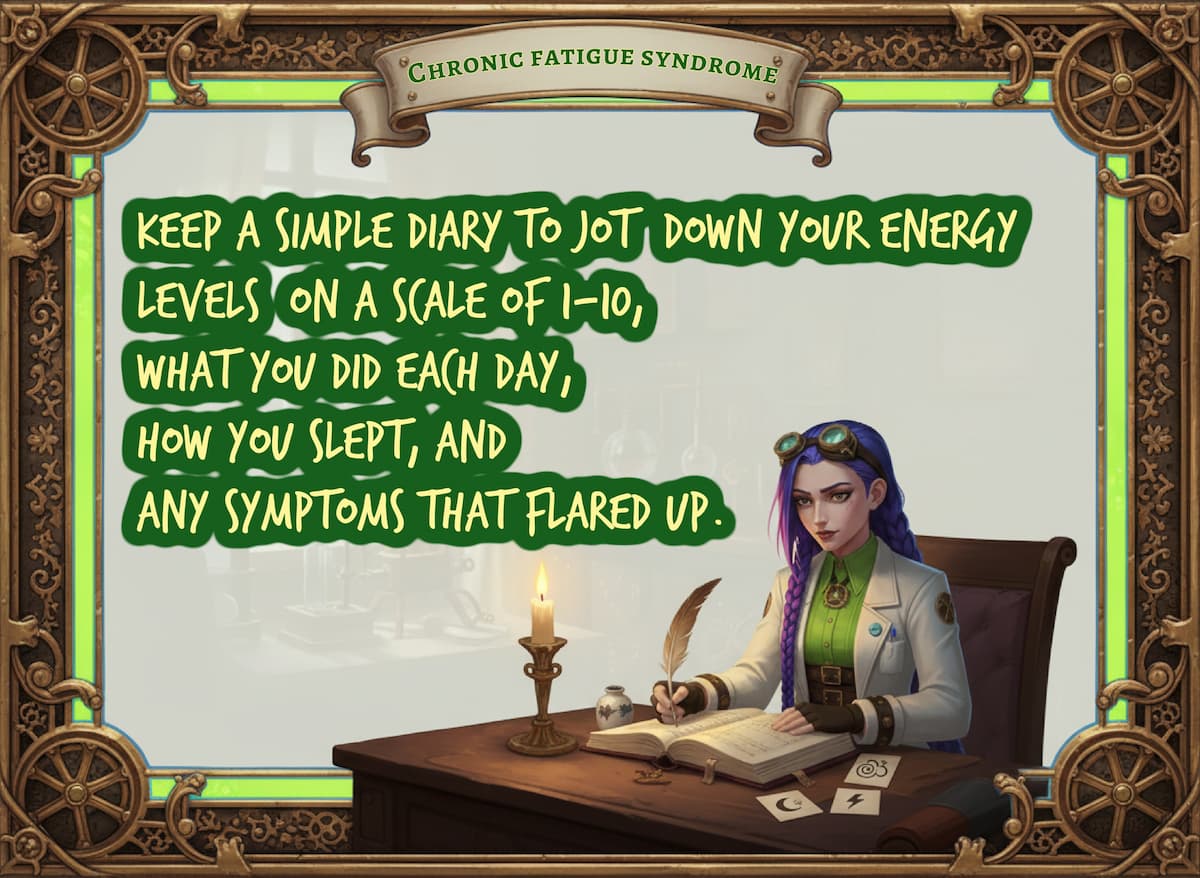
Top Tip: Try keeping a simple diary for a week or two before your appointment. Jot down your energy levels on a scale of 1-10, what you did each day, how you slept, and any symptoms that flared up. This creates a powerful snapshot of your experience that’s hard to ignore.
To help you get organised, we’ve put together a checklist of key symptoms. Think of it as a way to gather your thoughts so you can give your doctor the clearest possible picture.
Key symptoms to discuss with your GP
| Symptom category | What to look for and note down |
| Profound fatigue | Does it stop you from doing daily tasks like showering or cooking? Does it last for more than 24 hours after an activity? |
| Post-exertional malaise (PEM) | Do you “crash” after minor physical or mental effort? Note how long the crash lasts (e.g., “A 10-minute walk left me bed-bound for two days”). |
| Unrefreshing sleep | Do you wake up feeling as tired as when you went to bed, even after 8+ hours of sleep? |
| Cognitive difficulties (‘brain fog’) | Are you having trouble with memory, finding words, or concentrating? Does it get worse when you’re tired? |
| Pain | Do you experience muscle aches, joint pain (without swelling), or new types of headaches? |
| Other symptoms | Note any recurring sore throats, tender lymph nodes, dizziness upon standing, or new sensitivities to light, sound, or food. |
Going through this list before your visit can help you feel more confident and ensure you don’t forget any crucial details when you’re in the room with your GP.
Mastering pacing to conserve your energy
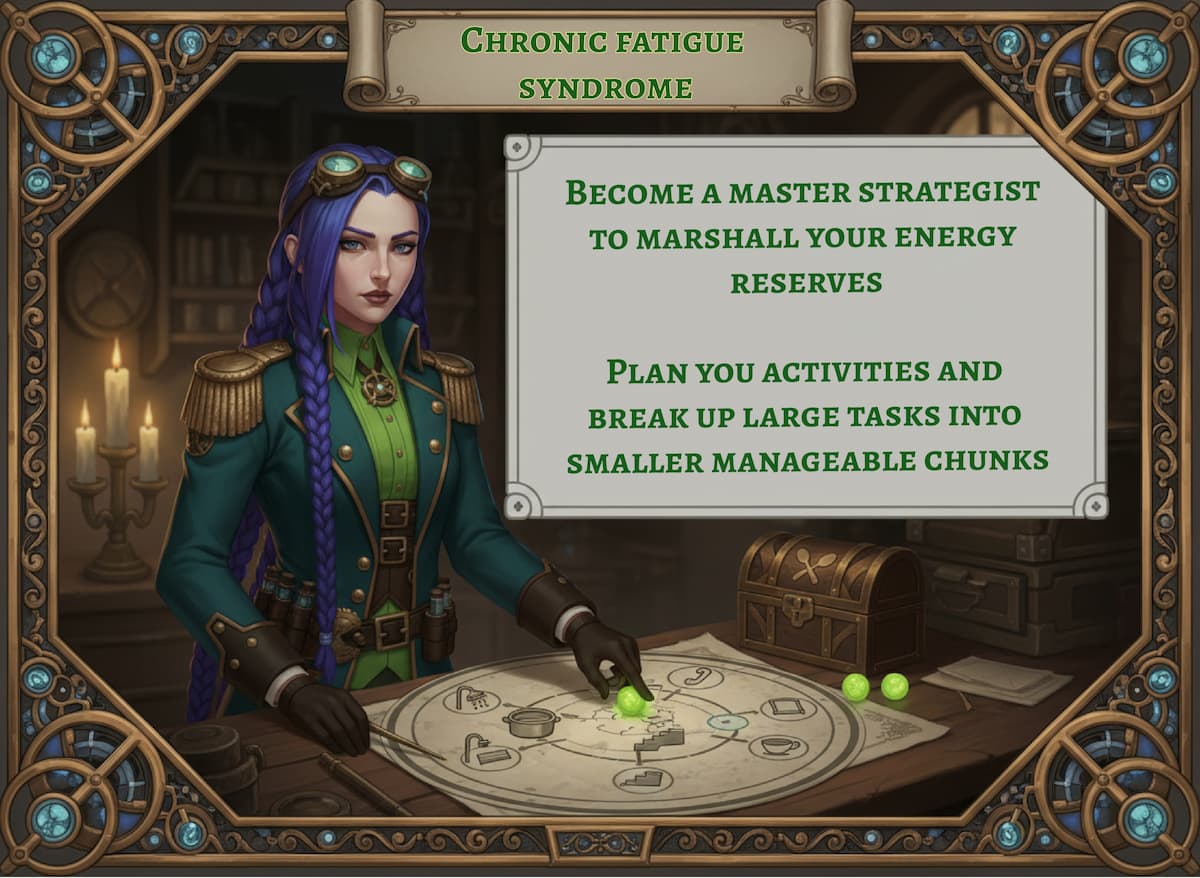
If there’s one skill that can truly change the game when you’re managing chronic fatigue, it’s pacing. This is the art of balancing every bit of activity with rest, so you can stay within your body’s strict energy limits. It isn’t about giving up; it’s about becoming a master strategist with your most precious resource.
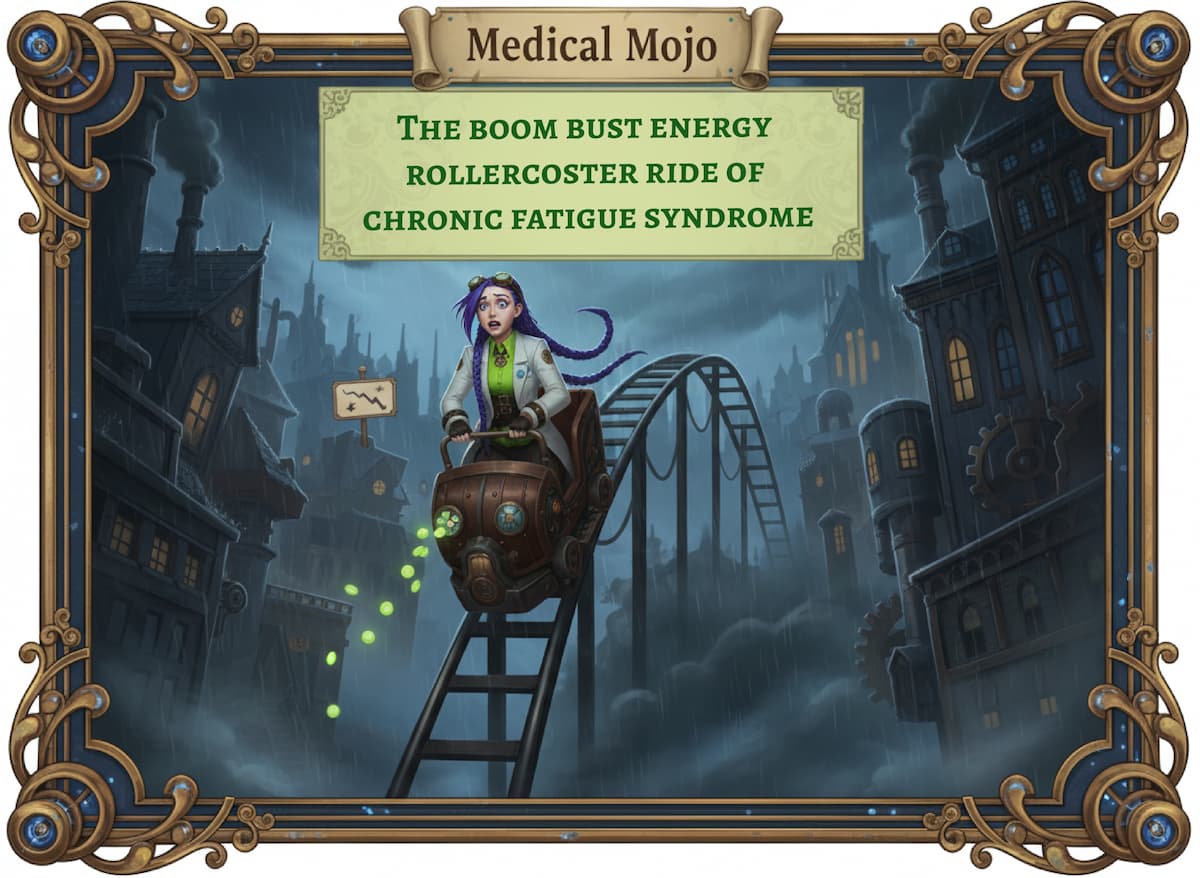
Forget the old advice to just “push through it.” With chronic fatigue, your body operates on a different set of rules. Pushing yourself one day almost always means you’ll pay for it with a crash the next. This vicious “boom-and-bust” cycle, where a burst of activity is followed by days of enforced rest, only makes symptoms worse over time. Pacing is your ticket off that exhausting rollercoaster.
Finding your personal energy envelope
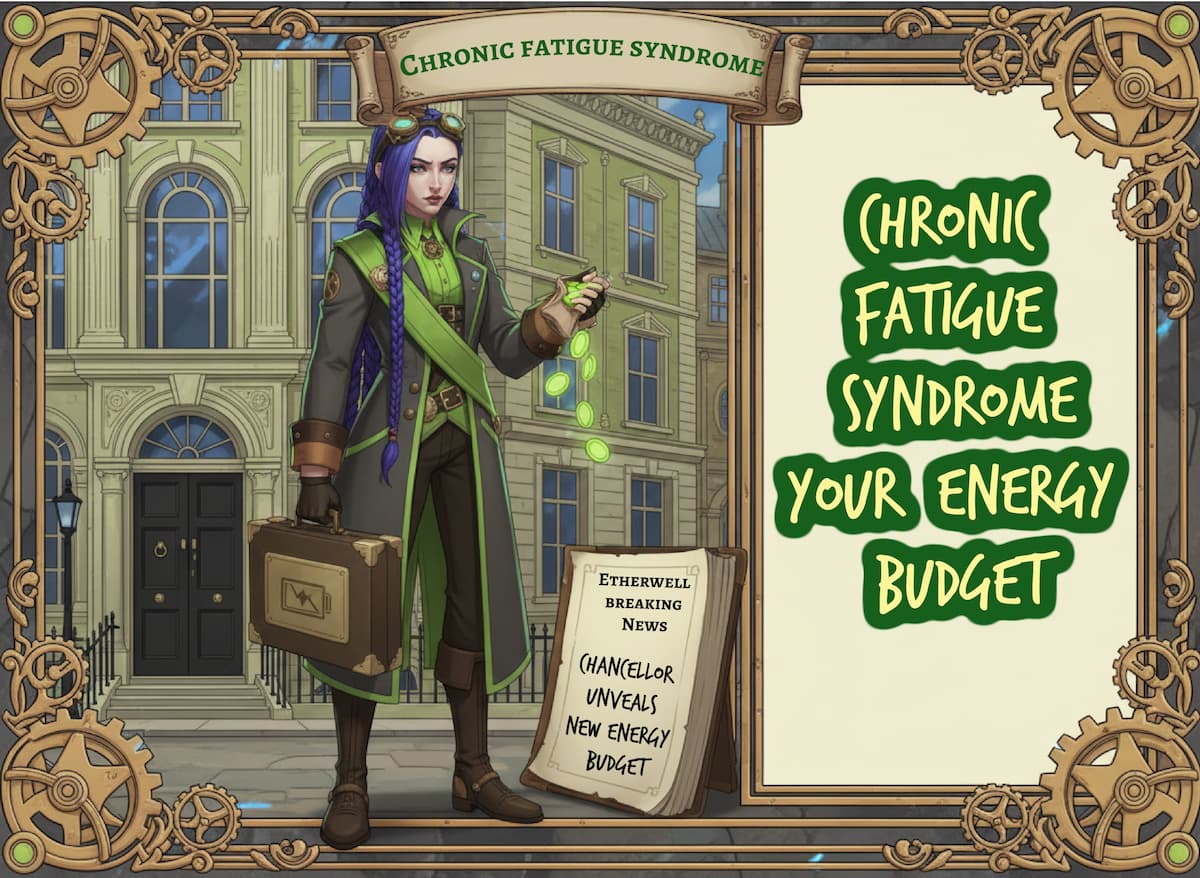
The first step is getting brutally honest about what you can actually do right now. Your “energy envelope” is the total amount of physical, mental, and emotional energy you have available each day. The goal is to live inside this envelope, not to constantly stretch it to its breaking point.
Think of it like a daily budget. If you only have £50 in your account, you wouldn’t try to spend £100. It’s the same with energy. If you know a big task will drain most of your reserves, you have to plan for it and cut back somewhere else. This takes careful observation and, most importantly, a bit of kindness towards yourself.
Putting pacing into practice
So, what does this look like in the real world? Let’s take something as mundane as a trip to the supermarket, which for anyone with chronic fatigue, can feel like running a marathon.
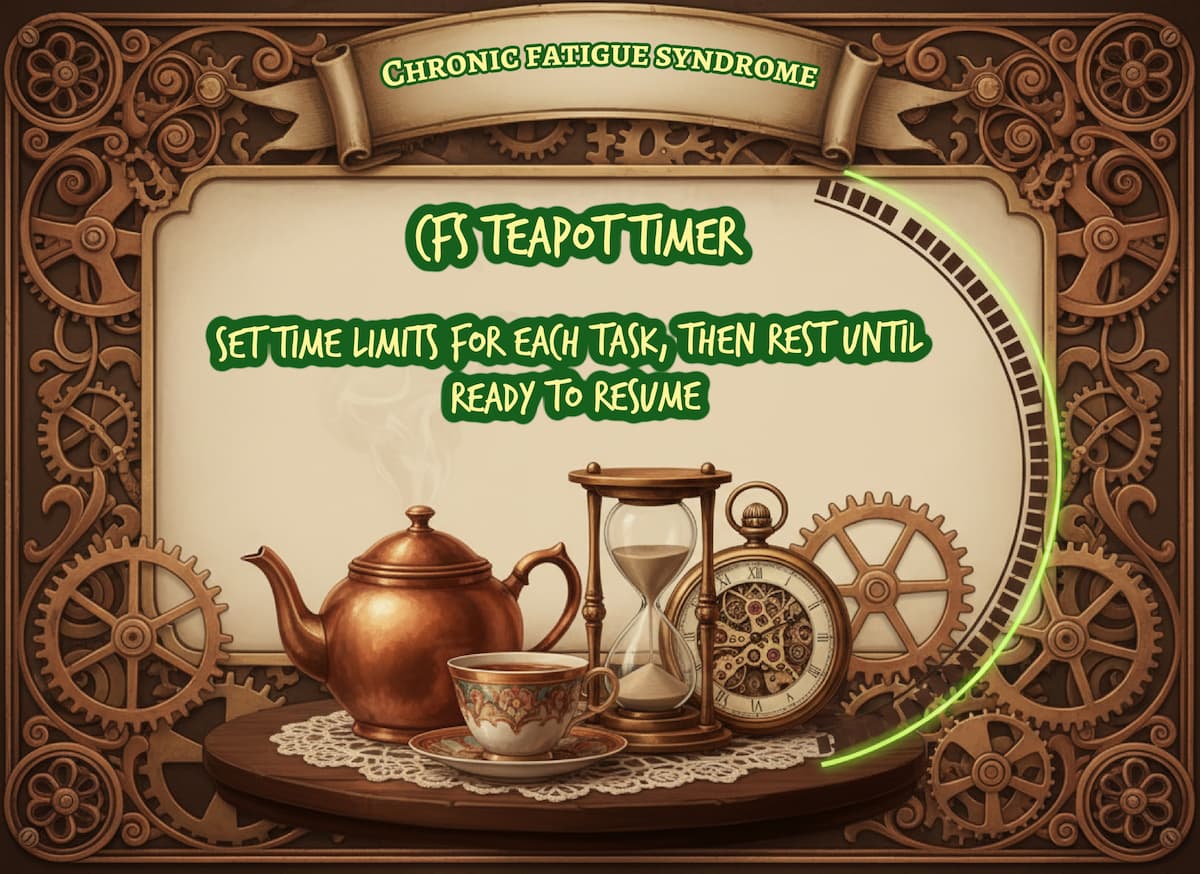
Instead of tackling it all in one exhausting go, you can use a technique called activity chunking. This just means breaking a big task into much smaller, more manageable pieces, with proper rest in between.
Here’s how you could apply pacing to that supermarket trip:
- Day 1: Just write the shopping list. That’s it. Then rest.
- Day 2: Drive to the supermarket and only buy the essential items from the first few aisles. Then go home.
- Day 3: Go back for the rest, or even better, arrange a home delivery for the heavy stuff.
- Post-trip: Schedule a proper rest period after you’ve put everything away. Don’t even think about planning anything else demanding for that day.
It might feel frustratingly slow at first, but this approach lets you get things done without triggering a massive energy crash. It’s about being the tortoise, not the hare. For a more structured plan, our guide on The 3R CFS Treatment Plan offers more in-depth strategies.
Pacing isn’t about restriction; it’s an investment. By spending your energy wisely today, you’re investing in having more of it available tomorrow. You’re shifting from a life of short-term bursts and long-term crashes to one of stability.
To see how this works in practice, let’s look at how you can reframe some common tasks to lower their energy cost. It’s often about small tweaks that make a huge difference.

Applying pacing to everyday activities
| Activity example | Traditional approach (high energy cost) | Pacing approach (lower energy cost) |
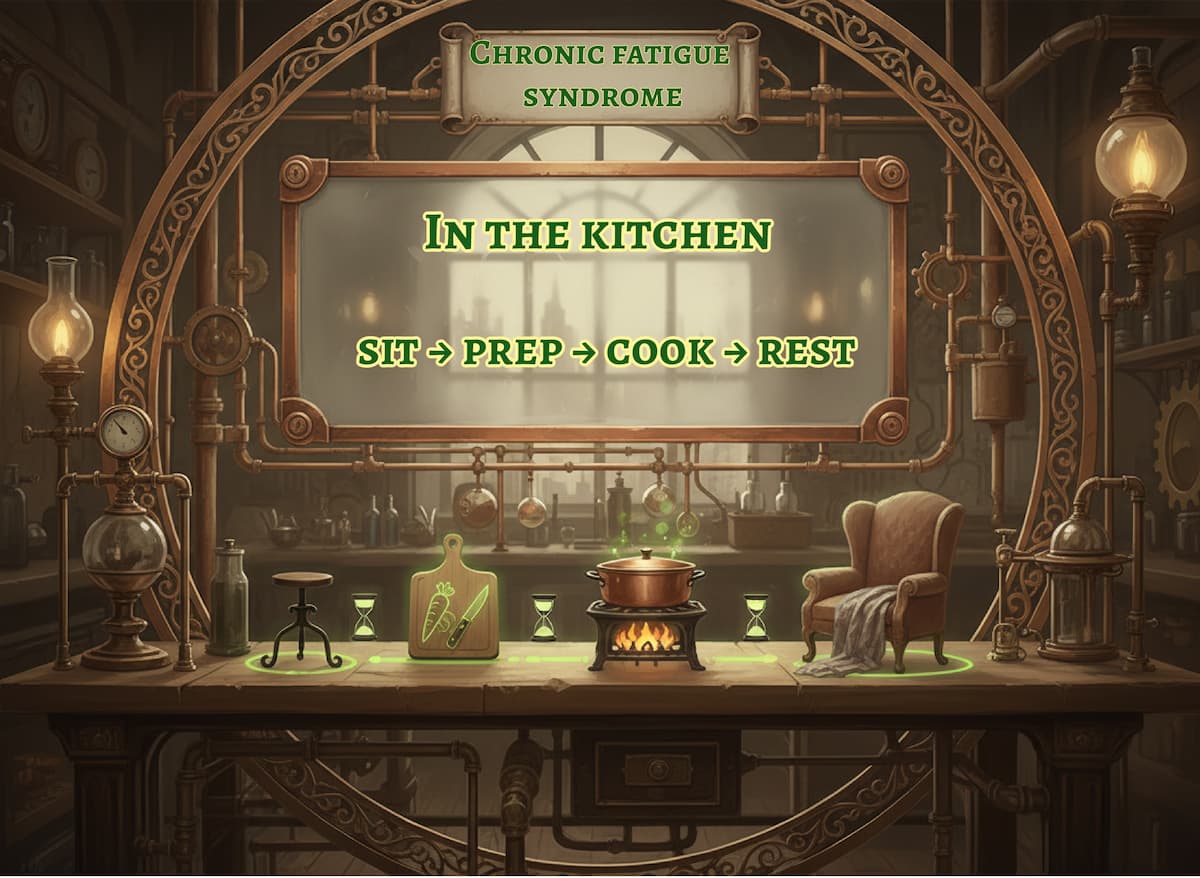
| Cooking dinner | Standing to chop all vegetables, cook a complex meal, and wash up in one go. | Using a stool to chop vegetables, cooking a simpler one-pot meal, and leaving the washing up until tomorrow. |
| Socialising | Agreeing to a full evening out at a noisy, crowded pub. | Suggesting a quiet coffee for just one hour, or better yet, having a friend visit you at home for a short chat. |
| Household chores | Trying to clean the entire house in a frantic Saturday morning blitz. | Doing one small task per day (e.g., wipe kitchen surfaces on Monday, clean one toilet on Tuesday). |
These small adjustments add up, helping you stay within your energy budget without your world shrinking completely.
Using technology to help
Some people find technology, like a heart rate monitor, can be a useful tool for staying within their energy envelope. It gives you real-time data, providing an early warning that you’re starting to overexert yourself. By learning the heart rate at which your symptoms tend to worsen, you can learn to stop and rest before you trigger post-exertional malaise (PEM).
Mastering pacing is a skill, and it takes time and patience. There will be good days and bad days. The key is to be consistent, really listen to what your body is telling you, and remember to celebrate the small victories along the way. It’s one of the most powerful tools you have for reclaiming a sense of control over your life.

Optimising sleep and nutrition for better energy
When you’re dealing with chronic fatigue, sleep can feel like a cruel joke. You might spend hours in bed, only to wake up feeling as if you haven’t slept at all. In the same way, what you eat can either be a steady hand on your energy levels or the very thing that pulls the rug out from under you.
Let’s break down how to get a better handle on these two foundations: sleep and nutrition.
This isn’t about vague advice like “get eight hours” or “eat your greens.” It’s about making small, deliberate changes that can add up to a real, noticeable difference in your daily energy reserves.

Crafting a restful sleep environment
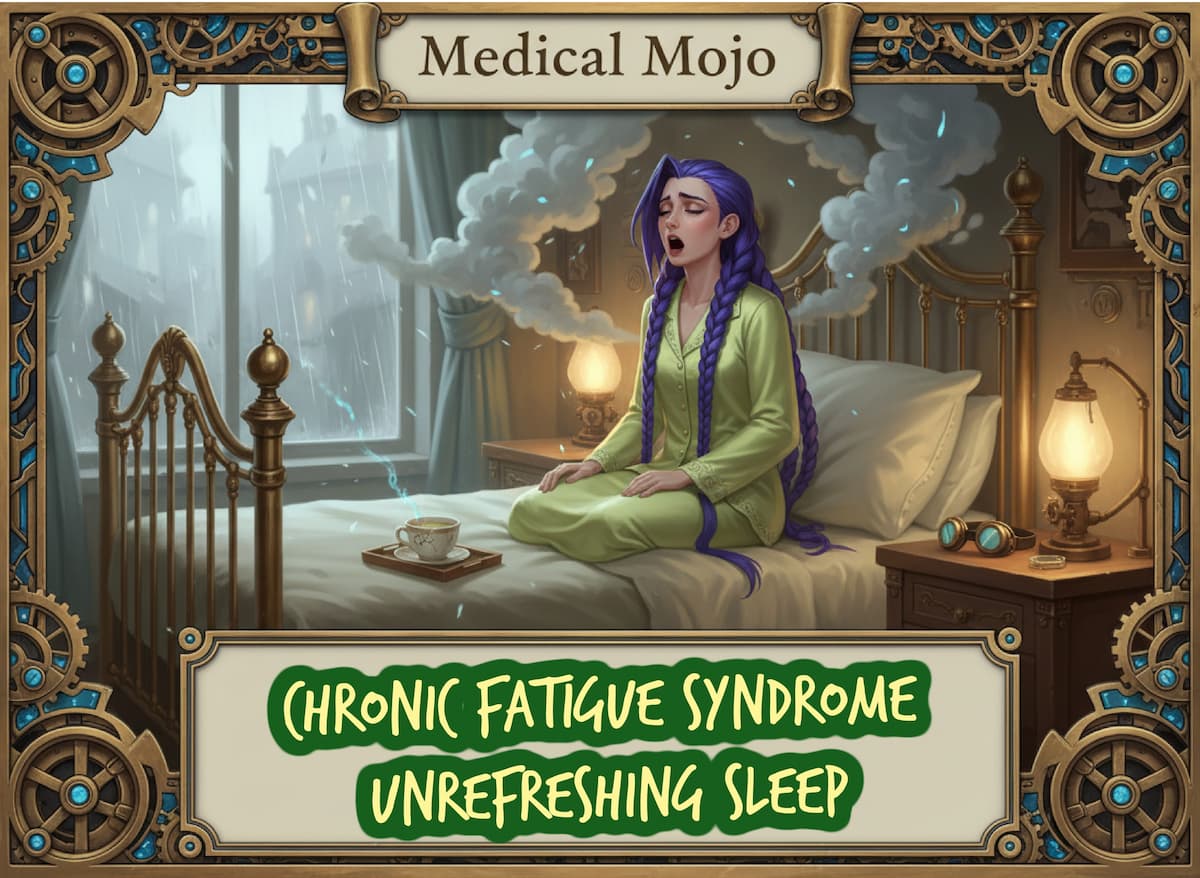
For many people with chronic fatigue, the real issue isn’t the quantity of sleep, but the poor quality. Unrefreshing sleep is a classic symptom, so creating an environment that encourages deep, restorative rest is non-negotiable.
Think of your bedroom as a sanctuary dedicated purely to sleep. That means optimising it for total peace and comfort.
- Go dark: Use blackout curtains or a good quality eye mask to block out every bit of light. Even the glow from a phone charger or a streetlamp can mess with your natural sleep cycle.
- Keep it cool: A cool room, somewhere between 16-18°C, is generally best for sleep. If your room is too warm, you’re more likely to toss and turn, leading to fragmented, unsatisfying rest.
- Embrace quiet: If outside noise is an issue, simple earplugs or a white noise machine can make a huge difference by masking disruptive sounds and creating a consistent, peaceful backdrop.
These habits are all part of good sleep hygiene. For a more detailed guide, have a look at our fifteen tips for healthy sleep to help you build a better routine.
A powerful wind-down routine is your body’s signal that it’s time to switch off. An hour before bed, dim the lights, put screens away, and try something calming like reading a book, listening to quiet music, or doing some gentle stretching. Consistency is your best friend here.
Fuelling your body for sustained energy
When your energy is on the floor, it’s so tempting to reach for a sugary snack or another coffee for a quick hit. The problem is, this almost always leads to a sharp crash later on, leaving you feeling even more drained than before. The real goal with nutrition is to create stable, sustained energy throughout the day.
This means focusing on balanced meals that combine protein, healthy fats, and complex carbohydrates. This trio helps to keep your blood sugar levels steady, preventing those brutal energy spikes and slumps.
Simple nutritional strategies for low-energy days
On those days when just standing in the kitchen feels like running a marathon, you need simple, reliable options that don’t drain your precious energy reserves.
Easy meal and snack ideas
| Meal type | Simple, low-effort ideas | Why it works |
| Breakfast | A bowl of porridge with a handful of nuts and berries, or Greek yoghurt with seeds. | Provides slow-release energy from the oats and protein to keep you feeling full. |
| Lunch | Pre-cooked chicken or chickpeas tossed into a bag of mixed salad with an olive oil dressing. | A no-cook option that delivers protein and key nutrients without any real effort. |
| Dinner | Scrambled eggs on wholemeal toast, or a quality pre-made soup with a side of cheese. | Quick to prepare, easy on the digestive system, and offers a good balance of macronutrients. |
| Snacks | A piece of fruit with a small handful of almonds, or a rice cake with peanut butter. | Helps to stabilise blood sugar between meals, heading off those afternoon energy dips. |
Don’t forget about hydration. Dehydration is a surprisingly common cause of fatigue, so sipping water throughout the day is a simple but incredibly effective habit. Keep a water bottle within arm’s reach as a constant reminder.
Making these small, consistent tweaks to your sleep and diet won’t be a magic cure, but they are powerful tools for giving your body the support it needs to manage your energy more effectively day to day.

Building a gentle and sustainable activity plan
The very word ‘exercise’ can feel like a cruel joke when you’re learning how to manage chronic fatigue. For many, it brings to mind outdated and harmful advice that only leads to a crushing payback of symptoms. So, let’s ditch that word for now.
Instead, let’s focus on gentle, sustainable movement.
This is all about creating a personalised plan that respects your body’s strict energy limits. The goal is to avoid the dreaded post-exertional malaise (PEM)—that severe worsening of symptoms after even minimal effort. It’s a compassionate, symptom-guided approach that puts you firmly in control.
Why old advice can be harmful
For years, many people with chronic fatigue were prescribed Graded Exercise Therapy (GET). This approach involved steadily increasing physical activity over time, regardless of how awful it made you feel. It was based on a fundamental misunderstanding of the illness, and NICE guidelines now state it should not be offered for ME/CFS [3].
The key difference with a modern, safe approach is that it’s symptom-contingent. You only do what you can, when you can, and you stop before you hit your limit. Your body, not a rigid schedule, is the boss.
Crucial Takeaway: A sustainable activity plan is not about pushing through pain or fatigue. It is about listening to your body’s signals with care and responding by resting, not forcing yourself to do more.
Finding your true baseline
Before you can build, you need to know your foundation. Your baseline is the absolute minimum level of activity you can do on most days without triggering PEM. For some, this might be a five-minute gentle walk. For others, it might be sitting upright in a chair for ten minutes or doing a few seated stretches.
It’s vital to be honest and realistic here. Your baseline is not what you wish you could do; it’s what you can consistently manage right now.
To figure it out:
- Observe for a week. Don’t try to do more, just watch.
- Note down your activities and how you feel immediately afterwards, and importantly, the next day.
- Identify the level of activity that doesn’t cause a crash. That’s your starting point.
Once you know this baseline, you have a safe foundation to work from. The immediate goal is simply to stay just under this threshold, giving your body a chance to stabilise.
Gentle movements you can adapt
Building up from your baseline happens in tiny, almost unnoticeable steps. We’re talking about making an increase so small that your body barely registers it. This could mean adding just 30 seconds to your activity or doing one extra repetition of a stretch.
Think flexibility and adaptation. If you wake up feeling worse, you drop back to your baseline or rest completely. It’s a gentle dance of one step forward and, sometimes, a necessary step back.
Here are some examples of adaptable movements:
- Mindful stretching: While lying down, gently bring one knee towards your chest, hold for a few breaths, and release. This can even be done in bed.
- Seated movements: While sitting, slowly rotate your ankles and wrists. Gently turn your head from side to side to release neck tension.
- Breathing exercises: Deep, diaphragmatic breathing is an activity in itself. It calms the nervous system without costing much energy.
This isn’t about fitness in the traditional sense. It’s about maintaining a connection with your body, preserving what muscle function you can, and preventing the deconditioning that comes from long-term inactivity. By starting small and listening carefully, you can create a plan that supports your body instead of fighting against it.

Finding the right medical and specialist support
While lifestyle strategies like pacing and gentle movement are the bedrock of managing chronic fatigue, having the right professional support is a massive piece of the puzzle. It can feel daunting trying to navigate the different avenues for getting help in the UK, but it’s a crucial step towards building a robust, personalised plan. This is where your GP, specialist clinics, and a wider healthcare team come into their own.
Your GP is always the first port of call. Their initial role is to help manage any specific symptoms that are making life difficult. This might involve prescribing medication to help with unrefreshing sleep or to manage persistent pain—both of which can sap your already limited energy reserves.
Alternatively, speak to one of our specialists at Medical Mojo, contact us to arrange a FREE consultation.

Medications and supplements
There isn’t a single medication that treats chronic fatigue itself, but many can help with the symptoms that accompany it. For example, some people find that low doses of certain antidepressant medications can help with both pain and sleep, even if they aren’t dealing with depression.
It’s also worth noting that some off-label treatments are gaining attention for their potential in complex chronic illnesses. If you’re interested in learning more, we have a detailed guide on how Low Dose Naltrexone is used. As with any potential treatment, always have a thorough discussion with your doctor first.
The world of supplements can be tempting, with countless products promising an energy boost. While there is promising evidence for Coenzyme Q10, which you can read about here in Coenzyme Q10 and long COVID, other supplement claims are not backed by robust scientific evidence. It’s absolutely essential to speak with your GP or a registered dietitian before starting any new supplement, as they can interfere with other medications and might not be right for you. Or even better, contact us at Medical Mojo for a FREE consultation about chronic fatigue syndrome.

At Medical Mojo, we have come up with the 3CFS treatment plan for chronic fatigue syndrome. It is made up of:
- Low-dose naltrexone
- Coenzyme Q10 50mg
- Melatonin 5mg
To learn more, read about Medical Mojo’s 3R CFS treatment plan.

Seeking specialist care
If your symptoms are severe or just aren’t improving, the next step is to ask your GP for a referral to a specialist. In the UK, this will typically be an NHS ME/CFS or Long COVID service. These clinics are set up to offer a much more in-depth level of support than a GP can usually provide.
Waiting lists can be long, but getting into one of these services is often a real turning point. Here, you’ll likely meet a multidisciplinary team—a group of healthcare professionals from different fields all working together to support you.
A multidisciplinary approach is considered the gold standard for managing complex conditions like chronic fatigue. It acknowledges that the illness affects every part of your life and provides expert guidance on multiple fronts simultaneously.
This team approach is so important given the complexities of conditions like ME/CFS. The illness doesn’t affect everyone in the same way, and statistical evidence even highlights a significant female-to-male disparity. This just underlines why a one-size-fits-all approach doesn’t work and why tailored, multi-faceted support is vital. You can read the full research on ME/CFS prevalence and management for more context.
Who might be on your team
Your specialist team could include a range of experts, each bringing a unique skill set to help you build a comprehensive management plan.
- Occupational therapists (OTs): These are often the stars of the show. An OT can help you put pacing and energy conservation into practice in a highly practical way, from suggesting equipment that makes daily tasks easier to helping you structure your entire day.
- Dietitians: A dietitian can help you create an eating plan that supports more stable energy levels, identify potential food triggers, and make sure you’re getting the proper nutrients, even on low-energy days.
- Physiotherapists: A physio who truly understands chronic fatigue can help you find your activity baseline and develop a safe, gentle movement plan that avoids triggering post-exertional malaise (PEM).
- Clinical psychologists: They can provide invaluable support in coping with the emotional and mental toll of living with a long-term illness, helping with things like stress management and adjusting to a new reality.
Working with a specialist team ensures your care is joined-up. It moves beyond just managing symptoms and helps you build a life that works with your condition, not against it.
FAQS about chronic fatigue

Living with chronic fatigue can feel like trying to navigate a maze in the fog. It’s only natural that a lot of questions pop up along the way. To help bring some much-needed clarity, we’ve put together answers to some of the most common queries we hear, with the straightforward, practical advice you need to feel more in control.
What is the difference between chronic fatigue and ME/CFS?
This is a brilliant question, and one that causes a lot of confusion because the terms are so often used interchangeably.
The simplest way to think about it is that chronic fatigue is a broad description of a symptom. It refers to persistent, debilitating tiredness that drags on for more than six months and isn’t fixed by rest.
Myalgic Encephalomyelitis/Chronic Fatigue Syndrome (ME/CFS), on the other hand, is a specific, complex, multi-system illness. While severe fatigue is its headline feature, a formal diagnosis of ME/CFS requires other core symptoms to be present. The most crucial of these is post-exertional malaise (PEM)—that’s the severe worsening of all symptoms after even minimal physical, mental, or emotional effort [1].
Other key signs needed for an ME/CFS diagnosis include unrefreshing sleep and cognitive struggles, often described as ‘brain fog’. So, while everyone with ME/CFS experiences chronic fatigue, not everyone with chronic fatigue has ME/CFS. Getting this cleared up with your GP or a specialist is the only way to know for sure.
Can I ever fully recover from chronic fatigue?
Recovery really hinges on what’s driving the fatigue in the first place. If it’s linked to an underlying, treatable condition like iron-deficiency anaemia or a thyroid problem, then absolutely—treating that root cause can often resolve the fatigue completely.
For conditions like ME/CFS or Long COVID, the journey is often more about management than a complete cure. But that doesn’t mean you can’t see huge improvements in how you feel and function day-to-day.
The goal shifts from ‘curing’ to ‘managing effectively’. Many people learn to master pacing and other strategies so well that their quality of life, daily stability, and ability to function improve in ways they never thought possible. It’s about reducing crashes and building a sustainable, more predictable life within your energy limits.
How do I explain my chronic fatigue to friends and family?
Explaining an invisible illness is one of the toughest parts of living with one. It can be hard for people to grasp a level of exhaustion that a good night’s sleep just doesn’t touch. Using simple, relatable analogies can be a game-changer.
- The spoon theory: This is a classic for a reason. You explain that you start each day with a limited number of ‘spoons’ (your energy units). Every single action—from showering to making a meal—costs a spoon. It makes the concept of finite energy tangible.
- The phone battery analogy: This one often clicks with people. Describe your energy like a faulty phone battery. It might only charge to 20% overnight, it drains incredibly fast, and plugging it in for a rest doesn’t bring it back to 100%.
Being direct but gentle can also help manage expectations. Instead of cancelling plans last minute, you could try saying, “I’d love to see you. I can manage about an hour for a quiet coffee, but I’ll need to head home after that to avoid a crash.” Sometimes, sharing a link to a good article from a trusted source like the NHS can also help them understand it’s a real, recognised medical condition.
Should I try a special diet or supplements?
There is no single “chronic fatigue diet” that’s proven to work for everyone. For most people, the most effective nutritional strategy is a balanced, anti-inflammatory diet, with regular meals to keep your blood sugar stable and avoid energy dips.
Some people find that specific foods, like gluten or dairy, seem to trigger their symptoms. Keeping a food and symptom diary for a few weeks can be a really useful way to spot your own personal patterns.
When it comes to supplements, you really need to tread carefully. While some, like Coenzyme Q10, have shown promise for certain people, it’s crucial to avoid self-prescribing. You can learn more about Coenzyme Q10 in post-viral conditions in our detailed guide. Always have a chat with your GP or a registered dietitian before starting any new supplements or making major dietary changes, just to make sure it’s safe and right for you. Or contact us at Medical Mojo to arrange a FREE chronic fatigue consultation.
At Medical Mojo, we understand that managing chronic conditions requires a personalised approach. From specialist consultations to tailored treatments and supportive health coaching, we’re here to help you build a management plan that truly works for you. Explore our services and start your journey to better energy management today.
If you found this guide helpful, please share it with anyone you think might benefit. You can also bookmark this page to come back to whenever you need a reminder.

Disclaimer: This article is for informational purposes only and is not a substitute for professional medical advice.
References
[1] NHS (2021). Overview – Myalgic encephalomyelitis or chronic fatigue syndrome (ME/CFS). Available at: https://www.nhs.uk/conditions/chronic-fatigue-syndrome-cfs/ (Accessed: 10 October 2023).
[2] Medical Mojo, 2025. What is chronic fatigue syndrome? [online] Available at: https://medicalmojo.co.uk/what-is-chronic-fatigue-syndrome/ [Accessed 22 December 2025].
[3] NICE (2021). Myalgic encephalomyelitis (or encephalopathy)/chronic fatigue syndrome: diagnosis and management. NG206. Available at: https://www.nice.org.uk/guidance/ng206 (Accessed: 10 October 2023).
Are weight loss treatments making you tired, or have they led to a sudden increase in hair loss? Do you struggle with sleep?
Get a free month’s supply of one of our compounded treatments for energy, hair loss or sleep, with your first purchase of Mounjaro or Wegovy from Medical Mojo.
Claim your FREE offer