Deciding you want to lose 4 stone (25.4kg) is a huge, life-changing moment. It’s a real commitment to your health and wellbeing, and you should be proud of taking that first step.
The key to doing it right and making it last, is to aim for a steady, medically-sound pace of losing 1-2 pounds (0.5-1kg) per week. This isn’t about quick fixes, it’s about making sure you’re losing fat rather than water or muscle, which sets you up for long-term success.
Table of contents
- Five key takeaways
- Understanding your 4 stone weight loss journey
- The health benefits are significant
- Setting a realistic timeline
- Nailing your nutrition: a UK-friendly diet plan that works
- The power trio: protein, carbs, and fats
- Weaving effective exercise into your life
- Building your beginner’s weekly schedule
- Managing sleep, stress, and behaviour for success
- When the scales stop moving : navigating plateaus and staying the course
- Common questions about losing 4 stone
- References:
-
 Wegovy 0.25mg injectionPrice range: £125.99 through £459.99
 -
Wegovy 1mg injectionPrice range: £125.99 through £459.99
-
Wegovy 2.4mg injectionPrice range: £239.99 through £899.99


Five key takeaways
- Losing 4 stone is realistic, but it takes time
A safe and sustainable target is 1 to 2 pounds per week, which means a 4 stone weight loss journey will usually take around 7 to 14 months. - Steady weight loss is better than quick fixes
Slow, consistent progress helps you lose fat rather than muscle or water, and gives you a much better chance of keeping the weight off long term. - Nutrition is the foundation of success
A calorie deficit matters, but so does food quality. A balanced approach with protein, fibre-rich carbs, and healthy fats helps control hunger, support energy, and make the plan easier to stick to. - Exercise supports fat loss and protects your health
A mix of cardio and strength training can help burn calories, preserve muscle, improve fitness, and make everyday life feel easier and more comfortable. - Long-term success is about habits, not perfection
Sleep, stress, consistency, and realistic routines all matter. Plateaus, treat meals, and slower weeks are normal — what counts is building habits you can actually maintain.

Understanding your 4 stone weight loss journey
Losing 4 stone is so much more than watching the numbers on the scale go down. It’s about fundamentally rethinking your relationship with food, movement, and your own body. Think of it as a gradual process of building healthier habits that will stick with you for life.
Here in the UK, where rising obesity rates are a major health concern, a goal this significant can feel overwhelming. But it’s entirely realistic and achievable when you have the right plan and support.
The health benefits are significant
Shedding a substantial amount of weight brings profound health improvements that you’ll feel in your day-to-day life. The benefits are wide-ranging and can completely transform your quality of life.
- Reduced risk of chronic conditions: It dramatically lowers your risk of developing type 2 diabetes, certain cancers, and cardiovascular diseases.
- Improved joint health: Taking that pressure off your knees, hips, and back can seriously alleviate chronic pain and make moving around so much easier.
- Boosted energy and mood: So many people report feeling more energetic, sleeping better, and experiencing a real lift in their mood and self-confidence.
- Better heart health: It can lead to lower blood pressure and healthier cholesterol levels, reducing the strain on your heart.

Setting a realistic timeline
One of the first questions everyone asks is, “How long will this actually take?” The honest answer depends on maintaining that consistent, safe rate of loss. Let’s do the maths.
A steady loss of 1 to 2 pounds per week is the gold standard recommended by health professionals. This means a 4-stone weight loss journey will likely take anywhere from 7 to 14 months. This timeframe is crucial because it gives your body time to adapt and helps you avoid the common rebound weight gain that comes with crash dieting.
| Realistic timeline for a 4 stone (25.4kg) weight loss | ||
| Weekly weight loss goal | Kilograms per week | Time to lose 4 stone (56 lbs / 25.4 kg) |
| 1 pound (0.45 kg) | 0.45 kg | Approximately 14 months |
| 1.5 pounds (0.68 kg) | 0.68 kg | Approximately 9.5 months |
| 2 pounds (0.91 kg) | 0.91 kg | Approximately 7 months |
This goal isn’t just possible, people across the UK are doing it right now. An evaluation of the NHS Weight Loss Plan app, for example, found that 64.2% of users who stuck with the 12-week programme achieved a clinically significant weight loss of 5% or more. For many, that’s the first crucial stone on their way to a bigger goal.
Getting to grips with the principles of effective weight management is your first step. For a deeper dive into sustainable strategies, our comprehensive guide on weight loss offers more valuable insights. Remember, this journey is all about progress, not perfection.
Nailing your nutrition: a UK-friendly diet plan that works
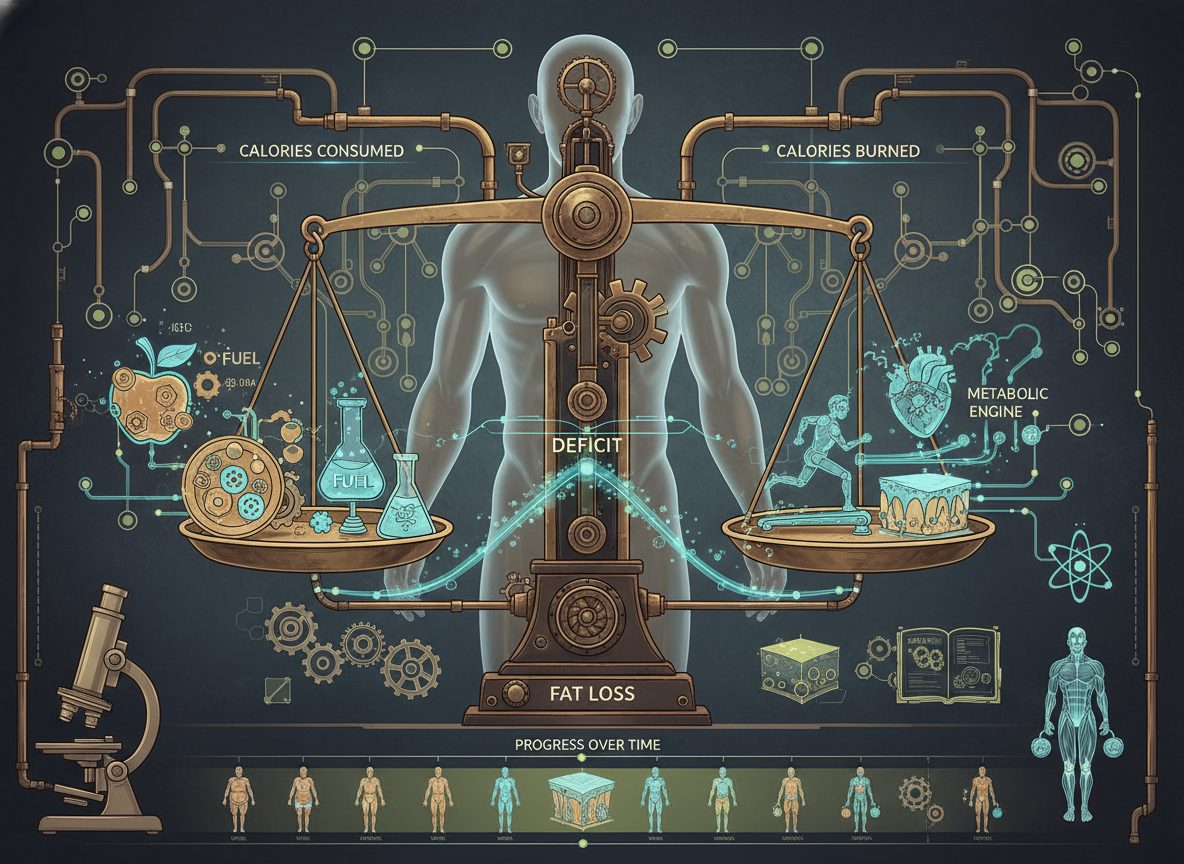
Let’s get one thing straight: losing 4 stone isn’t about deprivation. It’s about making smart, satisfying food choices that fuel your body and keep you feeling good. The engine of weight loss is a consistent calorie deficit, but that absolutely doesn’t mean your meals have to be bland or boring.
The real goal here is to find a way of eating you can genuinely enjoy for the long haul. This is your chance to build a positive, healthy relationship with food, focusing on nourishment over punishment.

Getting the numbers right
First things first, let’s talk calories. To achieve that steady 1-2 pounds of weight loss per week, the NHS suggests a daily calorie deficit of around 500 to 600 calories [1]. For most men, that means aiming for about 1,900 calories a day, and for most women, roughly 1,400 calories a day.
Of course, these are just starting points. Your personal needs will vary depending on your age, height, current weight, and how active you are. An online TDEE (Total Daily Energy Expenditure) calculator can give you a much more personalised figure to work with.
Don’t get hung up on hitting the exact number every single day. The aim is a consistent average over the week. Some days you might be a little over, others a little under—that’s completely normal and perfectly fine.
The power trio: protein, carbs, and fats
While calories are crucial, the quality of those calories makes a huge difference to how full and energised you feel. Getting the right balance of macronutrients : protein, carbohydrates, and fats, is an absolute game changer.
- Protein is your best friend: It’s incredibly satiating, which is just a fancy way of saying it keeps you feeling fuller for longer. A good source of protein with every meal helps smash cravings and protects your muscle mass as you lose fat. Think chicken breast, fish, eggs, lentils, and Greek yoghurt.
- Choose your carbs wisely: Carbs are your body’s main fuel source, so don’t ditch them! Just opt for the complex, high-fibre kind like oats, brown rice, wholewheat bread, and root vegetables. They release energy slowly, preventing those awful afternoon slumps.
- Don’t fear healthy fats: Good fats are essential for hormone production and absorbing key vitamins. Focus on unsaturated sources like avocados, nuts, seeds, and olive oil. They also add a ton of flavour and help you feel satisfied after a meal.

Simple, UK-friendly meal ideas
Eating well shouldn’t require a trip to a specialist health food shop or hours in the kitchen. Here are some simple, delicious ideas using ingredients you can find in any UK supermarket.
| Meal type | Simple and satisfying ideas |
| Breakfast | A hearty bowl of porridge made with milk or water, topped with a handful of berries and a sprinkle of seeds for those healthy fats. |
| Lunch | A flavourful homemade lentil and vegetable soup with a slice of wholemeal bread. It’s cheap, incredibly filling, and packed with fibre. |
| Dinner | A quick chicken or tofu stir-fry loaded with colourful veg and a small portion of brown rice. A splash of soy sauce, ginger, and garlic is all you need for flavour. |
| Snacks | An apple with a spoonful of peanut butter, a pot of Greek yoghurt, a small handful of almonds, or some crunchy carrot sticks with hummus. |
These meals are balanced, easy to pull together, and will keep you on track without making you feel like you’re on a restrictive diet. If you feel you need more structure or one-to-one support, exploring our dedicated weight loss coaching can provide the personalised guidance to build a plan that truly works for you.
How to handle real-world food hurdles
Life is for living, right? Office birthdays, weekend takeaways, and meals out with friends are going to happen, and they shouldn’t throw you off course. The key is simply to have a plan.
If you know you’re eating out in the evening, maybe have a lighter lunch. When the office cake appears, take a second and ask yourself if you genuinely want a piece, or if you’re just eating it because it’s there. You’d be surprised how often a simple cup of tea will do the trick.
When it comes to takeaways, just make a smarter choice. A tandoori chicken with a side salad from the Indian is a far better option than a creamy korma with a giant naan. It’s not about saying “no” to everything, but about making mindful choices that align with your 4 stone weight loss goals.
Weaving effective exercise into your life
While your diet is doing the heavy lifting by creating the calorie deficit needed for a 4 stone weight loss, exercise is the secret weapon that speeds up your results and truly transforms your health. Don’t think of it as a chore; see it as a powerful tool for building a stronger, more resilient body.
Movement is your best ally on this journey. It helps preserve precious muscle while you’re losing fat, which is crucial. Muscle is your body’s metabolic engine—the more you have, the more calories you burn, even when you’re just resting on the sofa with a cuppa.
The dynamic duo: cardio and strength training
To really get the most out of your efforts, blending cardiovascular exercise with strength training is the winning formula. Each plays a unique and vital role in reshaping your body and boosting your overall wellbeing.
Cardio, or aerobic exercise, is brilliant for your heart and for burning calories. This is any activity that gets your heart rate up and makes you a bit breathless. Don’t panic, you don’t need to sign up for a marathon just yet.
Strength training, on the other hand, is all about working your muscles against resistance. This is what builds that metabolism-boosting muscle we just talked about. It also strengthens your bones and makes everyday tasks feel much easier.
Here’s a bit of real-world advice: the best exercise plan is the one you stick with. It’s far better to consistently manage three 30-minute sessions you enjoy each week than one punishing hour at the gym that you absolutely dread. Consistency always wins over intensity.

Building your beginner’s weekly schedule
Let’s bust a common myth right now: you do not need to spend hours in the gym every day to see results. The goal is to build an active lifestyle that fits around your life, not the other way around.
Here’s a sample schedule to get you started. Think of it as a flexible template.
| Day | Activity | Duration | Notes |
| Monday | Brisk Walk | 30 minutes | Pop in a podcast and aim for a pace where you can still hold a conversation. |
| Tuesday | Bodyweight Strength | 20 minutes | Focus on squats, lunges, and press-ups (on knees is fine!) at home. |
| Wednesday | Active Rest | – | Gentle stretching or a leisurely stroll. Let your body recover. |
| Thursday | Cycling or Swimming | 30 minutes | Choose something you genuinely enjoy to keep things interesting. |
| Friday | Bodyweight Strength | 20 minutes | Repeat Tuesday’s routine, maybe trying to add one more rep of each exercise. |
| Weekend | Active Fun | 60+ minutes | Go for a long walk in a park, do some gardening, or just dance around the kitchen. |
Feel free to swap days or activities to suit your own schedule and preferences. The most important thing is finding movement you genuinely look forward to, as that’s the real key to making it a lasting habit.
Making movement a natural part of your day
The real magic happens when exercise stops being a separate “thing” and becomes a non-negotiable part of your routine. You don’t always need dedicated workout time; you can weave activity into the very fabric of your day.
Here are a few practical tips to get you moving more without it feeling like a massive effort:
- The lunchtime lap: Use 20 minutes of your lunch break for a brisk walk. It’s a great way to clear your head and break up a sedentary workday.
- Take the stairs: An old classic for a reason. Consistently choosing the stairs over the lift is a simple way to engage your leg muscles and get your heart rate up.
- “Exercise snacks”: While waiting for the kettle to boil, do a set of 10 squats. During the ad break of your favourite show, hold a plank for 30 seconds. These tiny bursts really do add up.
- Active commute: Could you get off the bus one stop early? Or cycle to the local shops instead of driving? Look for small opportunities to turn travel time into active time.
Integrating more movement is a cornerstone of any successful weight loss plan, but it’s also a fantastic way of enhancing your wellbeing far beyond the numbers on the scales. You’ll likely notice better sleep, an improved mood, and a fantastic sense of accomplishment.

Managing sleep, stress, and behaviour for success
Losing 4 stone is about so much more than what you eat and how you move. The hidden architects of your success, or sabotage, are often your sleep patterns, stress levels, and the daily habits you barely notice.
These factors are deeply intertwined, influencing your hunger, cravings, and motivation in ways you might not realise. Getting this part of the equation right is often the difference between struggling through and making a lasting, sustainable change. It’s about working with your body’s natural rhythms, not against them.

Why sleep is your secret weight loss weapon
Think of a good night’s sleep as a non-negotiable part of your plan. When you’re sleep-deprived, your body’s hormonal balance gets thrown completely out of whack.
This hormonal shift is a double whammy for anyone trying to lose weight. You’re left feeling hungrier than usual while simultaneously finding it harder to feel full, creating a perfect storm for overeating.
- Ghrelin increases: This is your “I’m hungry” hormone. When you don’t sleep enough, your body produces more of it, sending your appetite into overdrive.
- Leptin decreases: This is your “I’m full” hormone. Levels drop with poor sleep, meaning you don’t get the proper signals to stop eating.
Simply put, a tired brain craves quick energy, often in the form of sugary, high-calorie foods. Prioritising sleep is one of the kindest and most effective things you can do for your body during this process.
Improving your sleep doesn’t have to be complicated. Building a simple, relaxing bedtime routine can make a world of difference. For more detailed guidance, check out our fifteen tips for healthy sleep to create the perfect wind-down ritual.

Taming the stress monster
Stress is another major player that can quietly derail your progress. When you’re chronically stressed, your body pumps out a hormone called cortisol. While useful in short bursts, persistently high levels can increase your appetite, particularly for comfort foods high in fat and sugar.
This isn’t a failure of willpower; it’s a deep-seated physiological response. Learning to manage stress is therefore a crucial skill for successful weight loss.
Simple mindfulness techniques can be incredibly effective. Just taking five minutes to focus on your breath can lower cortisol levels and help you feel more in control. It’s not about emptying your mind but simply observing your thoughts without judgement.

Building better behaviours brick by brick
Lasting change comes from shifting your daily behaviours. Your current habits were built over years, so creating new, healthier ones requires patience and a smart strategy. It’s not about a complete overhaul overnight, but about making small, consistent adjustments.
Identify your triggers
What situations lead to unhealthy choices? Is it boredom in the evening, a stressful meeting at work, or the Friday night takeaway tradition? Once you know your triggers, you can plan healthier responses.
Track non-scale victories
The scales don’t tell the whole story. Celebrating other wins is vital for keeping motivation high.
- Your clothes fitting more comfortably.
- Having more energy to play with your kids.
- Climbing stairs without feeling breathless.
- Noticing your skin looks clearer.
These victories prove your hard work is paying off in ways that truly matter. They provide the positive reinforcement needed to stick with your new habits for good.
The collective impact of these lifestyle changes is enormous. For perspective, government data shows that if every overweight adult in the UK lost just 2.5kg, the NHS could save £105 million over five years, highlighting the massive health and economic benefits of successful weight management. Discover more about the government’s strategy on tackling obesity.
Considering medical support for your weight loss
Making lasting changes to your diet, exercise, and daily habits is the absolute foundation of any successful weight loss plan. But sometimes, especially when you have a significant goal like losing 4 stone, those efforts alone don’t quite get you there. It can be incredibly frustrating.
This is where medical support can be a game changer. If you’ve been consistently trying to lose weight but the scales just won’t budge as they need to, it might be time to look at other options. This isn’t a sign that you’ve failed; it’s a recognition that biology can be a powerful force working against you. A little extra help might be exactly what’s needed to tip the balance in your favour.
When is medical treatment an option?
Here in the UK, getting a prescription for weight loss medication isn’t as simple as just asking for it. Access is carefully guided by clinical criteria to make sure treatments are used safely and by the people who will benefit most. A clinician will always need to assess your specific health situation first.
You may be eligible for prescription weight loss support if:
- Your Body Mass Index (BMI) is 30 or higher, which is categorised as obese.
- Your BMI is 27 or higher and you also have a weight-related health issue like type 2 diabetes, high blood pressure, or high cholesterol.
These guidelines are there for a good reason, to ensure the benefits of taking a medication clearly outweigh any potential risks.
How GLP-1 agonists support weight loss
You’ve probably seen names like Wegovy and Mounjaro cropping up in the news. These are part of a class of drugs called GLP-1 agonists, and they’ve become a major tool in medically supervised weight loss. In simple terms, they work by mimicking a natural hormone your gut releases after you eat, which sends a signal to your brain that you’re full.
This has a few powerful effects on the body:
- It slows down how quickly your stomach empties, which helps you feel physically fuller for much longer after a meal.
- It acts on the appetite centre in your brain, helping to dial down hunger signals and quieten those persistent food cravings.
The result? It becomes genuinely easier to stick to a lower-calorie diet because you aren’t constantly fighting a battle against hunger. If you want to dive deeper into the science, our detailed guide explains more about how GLP-1 agonists work for weight loss.
It’s so important to be clear about one thing: these medications are not a magic wand. They are designed to work with you, supporting your efforts to maintain a healthy diet and be more active. They provide the biological backup to make those lifestyle changes more sustainable and effective.
-
Wegovy 0.25mg injectionPrice range: £125.99 through £459.99
-
Wegovy 1mg injectionPrice range: £125.99 through £459.99
-
Wegovy 2.4mg injectionPrice range: £239.99 through £899.99
Innovative and patient-friendly alternatives
For a lot of people, the idea of having to do regular injections is a real barrier. At Medical Mojo, we believe treatment should fit the patient, not the other way around. That’s why we’re always looking for patient-centred solutions.
One great example is compounded semaglutide and tirzepatide buccal films. These are small, dissolvable films you place inside your cheek—a completely needle-free way to take the medication. It’s a perfect solution for anyone with a needle phobia, showing how modern medicine can adapt to individual needs without compromising the treatment itself.
Services like Medical Mojo offer safe, clinician-prescribed access to both licensed and specially compounded treatments. This ensures you’re getting a genuine, effective product, all under the supervision of UK-registered healthcare professionals. This expert guidance gives you an added layer of safety and support on your journey to losing 4 stone and helps you find the very best path for your unique health profile.
When the scales stop moving : navigating plateaus and staying the course
Every long-term weight loss journey, especially one as significant as losing 4 stone, will have its sticking points. You’ll hit the dreaded plateau, a period where progress seems to grind to a halt. It’s frustrating, but it’s also a completely normal part of the process.
This isn’t a sign that you’ve failed. Far from it. A plateau is simply your body adapting to its new, lighter self. It’s your cue to reassess your strategy with a clear head, not to throw in the towel. With a few smart adjustments, you can get things moving again and continue towards your goal.
Breaking through a weight loss plateau
So, the scales haven’t budged for a couple of weeks. What’s going on? As you lose weight, your body becomes more efficient and needs fewer calories to function than it did at your starting weight. Your old deficit might not be a deficit anymore.
It’s time to look beyond just the numbers and gently nudge your body out of its new comfort zone. Here’s what we suggest:
- Recalculate your needs: Are you still genuinely in a calorie deficit for your current weight? Use an online calculator to check your new maintenance calories and adjust your intake accordingly. It might be time for a small reduction.
- Change up your workouts: Your body adapts to exercise, too. Try adding short bursts of higher intensity to your walks—think about power walking between two lamp posts. If you’re strength training, can you add another rep or slightly increase the weight?
- Prioritise your protein: Make sure every meal contains a good source of protein. It’s crucial for preserving muscle mass, which is your metabolic engine. Losing muscle is the last thing you want, as it will slow your metabolism down.
- Double-check your hydration: It’s easy to mistake thirst for hunger. Dehydration can also make you feel sluggish and can slightly slow your metabolism. Keep that water bottle topped up.
Shifting focus to your non-scale victories
It’s incredibly easy to become fixated on the number staring back at you from the bathroom floor. But that number is only one tiny part of your success story. Learning to measure your progress in other ways is vital for staying motivated, particularly when the scales are being stubborn.
Your goal isn’t just to hit a specific number; it’s to improve your health and feel fundamentally better in your own skin. Celebrating the small, real-world wins reinforces the powerful lifestyle changes you’re making.
Start paying attention to these tangible signs of success:
- How your clothes are feeling looser.
- That you have more energy and the 3 pm slump is a thing of the past.
- Climbing a flight of stairs without feeling breathless.
- Noticing improvements in your skin, your sleep quality, or your mood.
These are the real-world markers that prove your hard work is paying off where it counts. And the wider impact is huge. With 64% of adults in the UK currently classed as overweight or obese, achieving and maintaining a 4 stone weight loss is a massive personal win that also contributes to tackling a national health crisis. You can find more detail in these UK obesity statistics and their impact on the NHS.
Finally, remember that the transition from active weight loss to maintenance is the last, critical step. This involves slowly increasing your daily calories to match your new energy needs, while locking in the healthy eating and exercise habits you’ve worked so hard to build. This is how you ensure your incredible results, and your newfound health, last for a lifetime.

Common questions about losing 4 stone
When you’re setting out to lose a significant amount of weight, it’s natural to have questions. In fact, it’s a great sign , it means you’re thinking realistically about the journey ahead. Here are some of the most common queries we hear from our patients, along with some straight-talking, practical answers.
How long does it realistically take to lose 4 stone?
This is probably the number one question people ask, and the honest answer is: it takes time. Losing 4 stone (which is 56 lbs or about 25.4 kg) isn’t a short-term fix.
Based on a safe and sustainable rate of loss, which is about 1-2 pounds per week, you should be thinking in terms of 7 to 14 months. Trying to rush it is a false economy. Faster weight loss often means you’re losing precious muscle mass, not just fat, and it’s incredibly difficult to maintain. Think of it as a marathon, not a sprint; consistency will always beat speed when it comes to keeping the weight off for good.
Will I have loose skin after losing 4 stone?
This is a valid concern for many. Whether you experience loose skin depends on a mix of factors : some you can control, and some you can’t. These include your age, your genetics, how long you carried the extra weight, and crucially, how quickly you lose it.
A slow and steady approach gives your skin the best possible chance to adapt. There are also a couple of things you can do to help. Staying well-hydrated is key, as is incorporating strength training into your routine. Building muscle underneath helps to ‘fill out’ the skin, improving its overall appearance and elasticity.
Is it okay to have treat meals during my weight loss journey?
Absolutely, and we’d go further and say it’s essential. A plan that doesn’t have room for real life is a plan that’s doomed to fail. The all-or-nothing mindset is what trips most people up.
Instead of thinking of certain foods as ‘cheats’, it’s far healthier to plan for the treats you genuinely love. This approach stops you from feeling deprived and makes the whole process feel sustainable. The key is balance. If a planned treat doesn’t completely wipe out your calorie deficit for the week, it’s not going to derail your progress. A healthy lifestyle must include enjoyment.
This article is for informational purposes only and is not a substitute for professional medical advice, diagnosis, or treatment. Always seek the advice of a qualified healthcare provider with any questions you may have regarding a medical condition.
References:
[1] NHS (n.d.) Lose weight. Better Health. Available at: https://www.nhs.uk/better-health/lose-weight/ (Accessed: 23 March 2026).