

Finding the best migraine medication in the UK can feel like navigating a complex, ever-shifting labyrinth. One person’s go-to relief might do little for another, and with options spanning from over-the-counter tablets to highly specialised prescriptions, knowing where to start is often the biggest hurdle. The sheer volume of information, coupled with long GP waiting times, can leave you feeling overwhelmed and stuck in a painful cycle. That’s precisely why we’ve built this comprehensive guide.
Table of contents
- Five key takeaways
- 1. Triptans (Sumatriptan, Rizatriptan, Naratriptan)
- 2. Paracetamol (Acetaminophen)
- 3. Non-steroidal anti-inflammatory drugs (NSAIDs: ibuprofen, naproxen, aspirin)
- 4. Metoclopramide (antiemetic/prokinetic agent)
- 5. Domperidone (alternative antiemetic)
- 6. Topiramate (anticonvulsant for prophylaxis)
- 7. Amitriptyline (tricyclic antidepressant for prophylaxis)
- 8. Propranolol (beta-blocker for prophylaxis)
- 9. Candesartan (angiotensin II receptor blocker for prophylaxis)
- 10. Botulinum toxin (botox) for chronic migraine
- Top 10 migraine medications in the UK — a comparison
- Your next step towards fewer migraine days
- Key takeaways from your medication journey
- Putting your knowledge into action
-
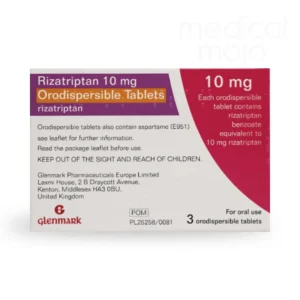
 Rizatriptan 10mg Orodispersible TabletsPrice range: £34.99 through £103.99
 -
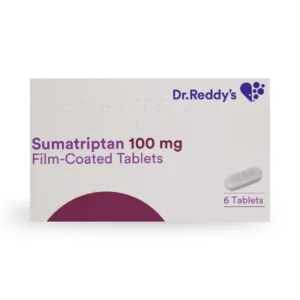
Product on saleSumatriptan 100mg tabletsPrice range: £9.99 through £29.99
-
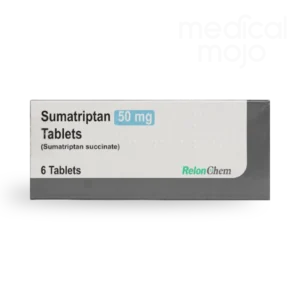
Sumatriptan 50mg tabletsPrice range: £15.99 through £34.99
Five key takeaways
- There’s no single “best” migraine medicine. The right option depends on your symptoms, triggers, and health history (and sometimes it’s a combo plan).
- Acute treatment works best when you act early. Triptans and NSAIDs tend to work better when taken at the first sign of headache pain (not during aura).
- Nausea changes the game. Anti-sickness meds (and non-tablet triptan options like nasal sprays/injections) can help if you can’t keep tablets down or need faster relief.
- If migraines are frequent, prevention is key. Daily preventives (e.g., propranolol, amitriptyline, topiramate, candesartan) can reduce migraine days, but they take weeks to show benefit.
- Track, review, and avoid overuse. A migraine diary helps you and your clinician fine-tune treatment. Using acute meds too often can lead to medication-overuse (rebound) headaches.

This article is your detailed map to understanding the most effective migraine treatments available in the United Kingdom. We’ll dismantle the complexities surrounding each option. We will provide a clear-eyed view of how they work, their intended use, and typical dosing. We’ll cover everything from widely used triptans for immediate relief to preventive strategies like beta-blockers and even Botox.
Our goal is to arm you with practical, evidence-based knowledge. We’ll explore which treatments are suitable for specific circumstances, such as during pregnancy or for individuals with conditions like hypertension. You’ll gain actionable insights into accessing these medications, including when it’s crucial to consult a clinician. This guide is designed to empower you to have more productive conversations with your healthcare provider. It’s aim is to help you to take confident, informed steps towards managing your migraines effectively.
1. Triptans (Sumatriptan, Rizatriptan, Naratriptan)
Considered the first-line acute treatment for moderate-to-severe migraines in the UK. Triptans are a class of medication specifically designed to stop a migraine attack in its tracks. They work by targeting serotonin (5-HT) receptors in the brain. This helps to constrict swollen blood vessels and block pain signals, addressing some of the core mechanisms of a migraine.
For many people, they represent the gold standard when over-the-counter painkillers like paracetamol or ibuprofen are not effective enough. Sumatriptan is the most commonly prescribed triptan in the UK, but other options are available depending on your specific needs and how your body responds.
How do different triptans compare?
While all triptans share the same mechanism, they have subtle differences in how quickly they work and how long they last. This allows for a more tailored approach to finding the best migraine medication for you.
- Sumatriptan (e.g., Imigran): The most well-known and widely used triptan. It offers a reliable balance of effectiveness and is available in tablets, nasal sprays, and injections for very rapid relief.
- Rizatriptan (e.g., Maxalt): Often chosen for its fast-acting properties when taken orally, making it a good option for attacks that come on quickly.
- Naratriptan (e.g., Naramig): This triptan has a longer half-life, meaning it stays in your system for longer. It may be a suitable choice for those who experience migraine recurrence, where the headache returns after initial treatment.
Actionable tips for using triptans
To get the most benefit from this treatment, timing and strategy are key. Take your dose at the first sign of a migraine headache, not during the aura phase, as this is when it is most effective. If the first dose doesn’t provide sufficient relief after two hours, a second dose may be taken, but always follow the specific instructions for your prescribed medication.
Combining triptans with a non-steroidal anti-inflammatory drug (NSAID) like naproxen can also enhance their effectiveness for some individuals. For a comprehensive overview of how these medications work and how they can be integrated into your treatment plan, you can learn more about triptans and other migraine solutions.

2. Paracetamol (Acetaminophen)
As one of the most widely used over-the-counter analgesics in the UK, paracetamol is often the first port of call for those experiencing mild-to-moderate migraine pain. It works by modulating central pain pathways in the brain and is thought to reduce the production of prostaglandins, which are chemicals that cause inflammation and pain.
For many, it provides a safe and accessible starting point for migraine management before escalating to prescription-only medications. It’s readily available and can be effective for less severe attacks, especially when taken as soon as symptoms begin.
How do different paracetamol formulations compare?
While standard paracetamol tablets are common, different formulations are available that can alter their speed of action or add complementary ingredients to better target migraine symptoms. Choosing the right one can improve its effectiveness for your specific needs.
- Standard Paracetamol 500mg Tablets: The most basic and widely available form, suitable for mild pain.
- Soluble Paracetamol 1000mg: This formulation dissolves in water, allowing for faster absorption into the bloodstream compared to standard tablets, which can be beneficial during a migraine.
- Combination Products (e.g., Migraleve): Some products, like Migraleve, contain paracetamol, codeine phosphate, and buclizine hydrochloride (an anti-sickness agent). This combination helps relieve migraine pain while also easing nausea and improving the absorption of painkillers, which migraine-related stomach issues can slow down.
Actionable tips for using paracetamol
To maximise the benefits of paracetamol for a migraine attack, proper timing and usage are crucial. Always take your dose at the very first sign of a migraine headache developing. Waiting until the pain is severe will significantly reduce its effectiveness.
Be mindful of the maximum daily dose, which is 4 grams (usually eight 500mg tablets) within a 24-hour period for adults. Exceeding this limit can cause serious liver damage. Combining paracetamol with an anti-emetic like metoclopramide not only helps with nausea but can also enhance its absorption, making it a more effective migraine treatment for some individuals.

3. Non-steroidal anti-inflammatory drugs (NSAIDs: ibuprofen, naproxen, aspirin)
Often the first port of call for mild-to-moderate migraine attacks, Non-Steroidal Anti-Inflammatory Drugs (NSAIDs) are a widely available and effective option in the UK. They work by blocking the production of enzymes called cyclo-oxygenase (COX), which in turn reduces the body’s production of prostaglandins. These hormone-like substances are key players in inflammation and pain, so inhibiting them helps to alleviate migraine symptoms.
For many individuals, a simple NSAID is sufficient to manage their attacks, particularly when taken at the first sign of a headache. They are a staple of acute migraine treatment and are readily available over-the-counter or via prescription for stronger doses, making them one of the most accessible forms of migraine medication in the UK.
How do different NSAIDs compare?
While the core mechanism is the same, different NSAIDs have varying potencies and durations of action, allowing you to choose one that best fits the pattern of your migraine attacks.
- Ibuprofen (e.g., Nurofen): A popular over-the-counter choice, ibuprofen acts relatively quickly and is generally well-tolerated. It’s a reliable option for mild-to-moderate pain.
- Naproxen (e.g., Naprosyn): This NSAID has a longer half-life than ibuprofen, meaning its effects last longer. This can be particularly useful for people who find their migraine pain lingers or returns after a few hours.
- Aspirin: One of the oldest and most-studied pain relievers, a high dose of aspirin (often in a soluble or effervescent form for faster absorption) can be very effective for acute migraine.
Actionable tips for using NSAIDs
To maximise the benefits of NSAIDs and minimise potential side effects, it’s important to use them strategically. Always take your dose with food or a glass of milk to protect your stomach lining from irritation. Start with the lowest effective dose for the shortest possible duration to control your symptoms.
If nausea is a prominent feature of your migraines, it can hinder the absorption of oral medication. Combining your NSAID with an anti-sickness medication (antiemetic) can improve its effectiveness. For a deeper dive into using specific NSAIDs like naproxen effectively, you can explore our detailed guide on taking naproxen for migraines.
4. Metoclopramide (antiemetic/prokinetic agent)
Nausea and vomiting are common and debilitating symptoms that often accompany a migraine attack. Metoclopramide is an anti-sickness (antiemetic) and prokinetic medicine used as a vital supporting player in migraine treatment. It works by blocking dopamine receptors in the brain’s “vomiting centre” and by increasing the speed at which your stomach empties. This helps alleviate nausea and also allows other oral medications to be absorbed more quickly and effectively.
This dual-action makes it one of the best supporting migraine medication options in the UK, especially for individuals whose attacks are so severe that they struggle to keep down their pain relief tablets. By settling the stomach, metoclopramide ensures that primary treatments like triptans or NSAIDs have the best chance of working.
How do different metoclopramide options compare?
Metoclopramide is available in several forms, allowing treatment to be tailored to the severity of your nausea and the overall migraine attack. The goal is to control sickness so that pain relief can take effect.
Actionable tips for using metoclopramide
To maximise the benefits of metoclopramide, it should be used strategically as part of your acute migraine treatment plan. Timing is crucial to prevent symptoms from escalating and to improve the absorption of your other medications.
For the best effect, take your metoclopramide dose 15-30 minutes before, or at the same time as, your painkiller or triptan. To avoid side effects, its use should be short-term; it is not recommended for more than five consecutive days. Always inform your clinician of all other medications you are taking to avoid potential interactions. To find out more about tackling this difficult symptom, you can get further details about solutions for nausea and vomiting.
5. Domperidone (alternative antiemetic)
When migraine-associated nausea and vomiting are prominent symptoms, an antiemetic medication can be a crucial part of your treatment plan. Domperidone is an effective option used in the UK to manage these distressing symptoms. It works as a peripheral dopamine antagonist, which helps to settle the stomach and promote gastric motility without crossing the blood-brain barrier significantly. This reduces the risk of central nervous system side effects like drowsiness.
For many people, controlling nausea is just as important as managing head pain, as it can prevent them from keeping down other essential medications like painkillers or triptans. Domperidone helps to ensure that your acute migraine treatments have the chance to be properly absorbed and get to work effectively, making it a valuable addition to a comprehensive migraine toolkit.
How does domperidone compare to other antiemetics?
While other antiemetics like metoclopramide are also used for migraine-related nausea, domperidone offers a distinct advantage due to its mechanism of action. Its limited ability to enter the brain means it is less likely to cause side effects such as restlessness or movement-related issues, which can be a concern with other options.
- Domperidone 10mg tablets: The standard formulation for adults, prescribed to be taken before an attack or alongside other migraine medications.
- Domperidone liquid suspension: This offers dosing flexibility and can be easier to swallow during a severe nausea episode when taking a tablet is difficult.
- Use with other medications: It is often prescribed alongside analgesics like NSAIDs or a triptan to create a multi-faceted approach to stopping a migraine attack.
Actionable tips for using domperidone
To maximise the benefits of domperidone, it is best taken about 30 minutes before your pain relief medication or a meal, if you can manage one. This allows it to start working on settling your stomach first. It serves as an excellent choice for individuals who have not tolerated metoclopramide or prochlorperazine well in the past.
Due to a small risk of cardiac side effects, your prescriber will assess your suitability before starting treatment, particularly for long-term use. This may involve a baseline cardiac assessment to ensure it is the safest and best migraine medication UK strategy for your specific health profile. Always adhere to the prescribed dose and duration.

6. Topiramate (anticonvulsant for prophylaxis)
When migraine attacks become frequent and debilitating, the focus of treatment shifts from managing individual headaches to preventing them from starting. Topiramate, an anticonvulsant medication, is one of the key preventive (prophylactic) treatments recommended by UK guidelines, particularly for those with chronic migraine. It works by calming overactive nerves in the brain, thought to be a key driver of migraine attacks.
By modulating nerve signals through mechanisms like sodium channel blockade, topiramate helps to reduce the overall excitability of the brain. This makes it less likely for a migraine to be triggered, leading to a significant reduction in the frequency, severity, and duration of attacks for many patients. It is a powerful tool for regaining control when migraines disrupt daily life.
How is topiramate used for migraine prevention?
Unlike acute treatments taken at the start of an attack, topiramate is taken every day to build up a protective effect. The approach is always to “start low and go slow” to minimise potential side effects and find the lowest effective dose for you.
- Titration Schedule: Treatment typically begins at a low dose, such as 25mg taken at night. This dose is gradually increased over several weeks, usually in 25mg increments, until the target therapeutic dose is reached.
- Therapeutic Dose: For most people, the effective dose for migraine prevention is between 50mg and 100mg per day. Your clinician will work with you to find the optimal balance between benefits and side effects.
- Combination Therapy: In cases of refractory migraine that do not respond to a single medication, topiramate may be combined with other preventive agents for a more comprehensive approach.
Actionable tips for using topiramate
To ensure topiramate is both safe and effective, it’s important to follow specific guidance. A careful and informed approach can help maximise its preventive benefits while managing its unique side-effect profile, making it a viable option for the best migraine medication UK preventative strategy.
Start the medication at a low dose, ideally at night, and increase it very slowly over 4-6 weeks as directed by your prescriber. It is crucial to maintain good hydration by drinking plenty of water throughout the day, as this helps to reduce the risk of developing kidney stones. Be aware of potential cognitive side effects, such as brain fog or word-finding difficulties, and report them to your clinician as they may improve with a dose adjustment.
7. Amitriptyline (tricyclic antidepressant for prophylaxis)
While originally developed as an antidepressant, Amitriptyline has become a mainstay in the UK for the prevention (prophylaxis) of chronic migraines. Used off-label, this tricyclic antidepressant works by increasing the levels of certain neurotransmitters like serotonin and norepinephrine in the brain. This helps to modulate pain pathways and reduce the frequency and severity of migraine attacks over time.
It is considered a valuable preventive option, particularly for individuals who also experience comorbid conditions like tension-type headaches, chronic pain, or depression. Its sedative properties also make it a suitable choice for those whose migraines are linked with sleep disturbances, turning a potential side effect into a therapeutic benefit when dosed correctly.
How does amitriptyline work for migraine prevention?
Unlike acute treatments that stop a migraine in its tracks, Amitriptyline is a long-term strategy aimed at making migraines happen less often. The exact mechanism isn’t fully understood, but it is thought to stabilise pain-regulating chemicals in the central nervous system. This makes it one of the best migraine medications in the UK for prophylaxis.
- Starting Dose: Clinicians typically prescribe a low starting dose, such as 10-25mg, to be taken once daily at night.
- Titration: The dose is then slowly increased over several weeks, often up to 50-75mg, to find the lowest effective dose that minimises side effects.
- Formulations: It is widely available as a generic medication, making it a cost-effective preventive treatment prescribed on the NHS.
Actionable tips for using amitriptyline
Patience and consistency are crucial when starting Amitriptyline, as its preventive effects can take between four to six weeks to become apparent. Taking the single dose in the evening is recommended to minimise daytime drowsiness. Because it can affect blood pressure, regular monitoring may be advised, especially for susceptible individuals.
It’s also important to support your body’s overall health while on preventive medication. For instance, ensuring you have optimal nutritional support can complement your treatment plan. You can explore a range of supplements by learning more about vitamins and minerals for overall wellness. Always discuss any new supplements with your doctor before starting them.
8. Propranolol (beta-blocker for prophylaxis)
While most treatments focus on stopping a migraine attack once it has started, propranolol works differently. As a beta-blocker, it is a preventive (prophylactic) medication used to reduce the frequency and severity of migraine attacks over time. It is a well-established and widely prescribed option in the UK for those who experience regular, debilitating migraines and are looking to manage their condition proactively.
Originally designed to treat heart conditions and high blood pressure, propranolol’s benefits for migraine are thought to stem from its ability to stabilise blood vessels in the brain and modulate serotonin receptors. For individuals whose lives are consistently disrupted by migraine, it represents a foundational strategy to regain control, rather than simply reacting to each attack.
How is propranolol used for migraine prevention?
Unlike acute treatments, propranolol is taken daily, regardless of whether you have a headache. The goal is to build up a consistent level of the medication in your system to prevent attacks from occurring in the first place.
- Standard-release: A common starting regimen might be Propranolol 40mg tablets taken two or three times daily. This requires consistent timing to maintain steady levels of the drug.
- Modified-release: For better compliance and convenience, extended-release capsules like Propranolol LA 80mg or 160mg are often prescribed. These are taken just once a day, providing a smoother, more consistent effect.
Actionable tips for using propranolol
Starting and stopping this medication requires careful management under a clinician’s guidance to ensure safety and effectiveness. It can take between four and eight weeks to see the full preventive benefits, so patience is crucial.
Your doctor will start you on a low dose and gradually increase it every two to three weeks, a process known as titration, to find the optimal level that works for you while minimising side effects. Before you start, a baseline assessment of your blood pressure, heart rate, and lung function is important. When it’s time to stop the medication, it must be tapered down slowly over several weeks to avoid potential complications.
9. Candesartan (angiotensin II receptor blocker for prophylaxis)
While originally developed to treat high blood pressure, Candesartan has emerged as an effective off-label preventive treatment for chronic migraine in the UK. As an angiotensin II receptor blocker (ARB), it works by relaxing blood vessels and reducing blood pressure, a mechanism that has been shown to decrease the frequency and severity of migraine attacks.
For individuals who also suffer from hypertension, Candesartan offers a dual benefit, tackling two conditions with a single medication. It is now a recognised option in neurological guidelines for migraine prophylaxis, particularly when other first-line preventives like propranolol or amitriptyline are unsuitable or have caused intolerable side effects.
How does candesartan compare to other preventives?
Unlike acute treatments that stop an attack, Candesartan is taken daily to reduce the number of migraine days you experience over time. Its side effect profile is often considered more tolerable than some other common preventives.
- Who is it for? It is an excellent choice for migraine sufferers who also have high blood pressure. It is also a valuable alternative for those who cannot take beta-blockers (like propranolol) due to conditions such as asthma.
- Dosage and Titration: Treatment typically starts with a low dose, such as 8mg once daily, which is gradually increased to an effective level, usually up to 16mg daily, based on your response and tolerability.
- Efficacy: Clinical trials have demonstrated that Candesartan can significantly reduce the number of headache days per month compared to a placebo, making it a reliable part of the toolkit for managing chronic migraine.
Actionable tips for using candesartan
To gain the full prophylactic effect, consistency is crucial. It can take between four and eight weeks to notice a significant improvement in your migraine frequency, so patience is key. Take your tablet at the same time each day to maintain a stable level of the medication in your system.
Before starting treatment, your clinician will likely check your kidney function and electrolyte levels, with periodic monitoring recommended. If you are looking for a tailored approach to migraine prevention that considers your complete health profile, exploring options like Candesartan with a specialist can be a vital step. You can discuss your suitability for this and other personalised treatments at Medical Mojo’s migraine clinic.
10. Botulinum toxin (botox) for chronic migraine
While commonly associated with cosmetic procedures, Botulinum toxin (Botox) is a highly effective, NICE-approved preventive treatment for chronic migraine in the UK. It is reserved for adults who experience headaches on at least 15 days per month, with at least eight of those days being migraines, and who have not responded to at least three other preventive medications. It works by blocking the release of certain chemicals involved in pain transmission, helping to reduce the frequency and severity of migraine attacks.
This treatment is administered by a specialist in a neurology or headache clinic and involves a series of small injections into specific muscles in the head and neck. For many living with the debilitating impact of chronic migraine, it represents a significant step-up in care and can be life-changing when other options have failed.
How is botox for migraine administered?
The treatment protocol for chronic migraine is highly standardised to ensure safety and effectiveness. It is not the same as a cosmetic procedure and requires specialist training to perform correctly.
- Standard Protocol: The typical dose is 155 units, divided across 31 specific injection sites in seven key muscle areas of the head and neck.
- Administration: It is always administered in a specialist headache or neurology clinic by a trained healthcare professional.
- Treatment Cycle: Injections are typically repeated every 12 weeks to maintain their preventive effect.
Actionable tips for using botox for migraine
To maximise the benefits of this specialised treatment, patient engagement and realistic expectations are crucial. The full effects may not be apparent immediately, so it’s a journey that requires patience.
Keep a detailed headache diary to track your migraine days, severity, and any changes you notice. It often takes two or three treatment cycles to properly assess the full efficacy of the treatment. It’s also important to continue your other prescribed preventive medications as advised by your clinician during the initial cycles. If you experience any unexpected side effects, such as muscle weakness, report them to your specialist straight away. Understanding how Medical Mojo ensures the quality and safety of specialised treatments like these can provide further peace of mind; you can learn more about how we source safe medicines on our website.

Top 10 migraine medications in the UK — a comparison
| Treatment | Implementation complexity | Resource requirements | Expected outcomes | Ideal use cases | Key advantages |
| Triptans (Sumatriptan, Rizatriptan, Naratriptan) | Moderate — prescription; choose route (oral/nasal/injectable) | Prescription meds; some routes need devices/clinic (autoinjector) | High efficacy (60–70% relief); 15–60 min onset; | Acute moderate–severe migraine; early intervention; nausea (nasal/injectable) | Fast acting; multiple routes; NICE first?line for acute migraine |
| Paracetamol (Acetaminophen) | Very low — OTC, simple dosing | Widely available OTC; low cost | Limited for moderate–severe; 30–60 min; | Mild migraines; initial self-management; pregnancy (recommended doses) | Accessible, well tolerated, inexpensive |
| NSAIDs (Ibuprofen, Naproxen, Aspirin) | Very low — OTC; choose agent/dose | OTC access; may need gastroprotection if frequent use | Moderate efficacy (better than paracetamol); 30–90 min; | Moderate migraines when paracetamol insufficient; inflammatory pain component | Anti?inflammatory effect; cost?effective; rapid relief |
| Metoclopramide (Antiemetic/Prokinetic) | Low–moderate — prescription; oral/injectable options | Prescription; injectable use may need clinic | Improves nausea and absorption; enhances analgesic effect; 10–30 min; | Migraines with significant nausea/vomiting; adjunct to analgesics | Rapid antiemetic and prokinetic action; improves drug absorption |
| Domperidone (Alternative Antiemetic) | Low — prescription; some monitoring for long term | Prescription; cardiac assessment if long use | Effective antiemetic; fewer CNS effects than metoclopramide; | Patients intolerant to metoclopramide; need longer?term antiemesis | Lower central side?effects; better tolerated for prolonged use |
| Topiramate (Anticonvulsant prophylaxis) | Moderate–high — slow titration over weeks; monitoring needed | Prescription; renal function, ophthalmology follow?up; clinic reviews | Reduces frequency ~30–50%; onset 4–8 weeks; | Chronic migraine prevention; frequent attacks requiring prophylaxis | Effective preventive agent; once/twice daily dosing; helps some comorbidities |
| Amitriptyline (Tricyclic prophylaxis) | Moderate — start low, titrate; monitor side effects | Prescription; monitor BP, anticholinergic effects | Effective for prevention; onset 4–6 weeks; | Preventive therapy, comorbid depression/tension headaches, sleep disturbance | Inexpensive; treats multiple headache types; sedating benefit at night |
| Propranolol (Beta?blocker prophylaxis) | Moderate — titration and baseline cardio assessment required | Prescription; BP/HR monitoring; contraindicated in asthma/COPD | Strong evidence reduces frequency; onset 4–8 weeks; | First?line preventive; hypertensive patients; anxiety/tremor comorbidity | Long evidence base; cardiovascular plus migraine benefit |
| Candesartan (ARB prophylaxis) | Moderate — once?daily dosing; titration; renal/electrolyte checks | Prescription; renal/electrolyte monitoring; avoid in pregnancy | Reduces frequency (esp. hypertensive patients); onset 4–8 weeks; | Hypertensive migraine patients or when beta?blockers unsuitable | Dual BP control and migraine prevention; well tolerated |
| Botulinum toxin (Botox) for chronic migraine | High — specialist intramuscular injections every 12 weeks | High resource: specialist clinic, cost, repeat sessions | Significant reduction in chronic migraine days; onset 2–6 weeks; | Chronic migraine (?15 days/month) after failed preventives | Effective for chronic migraine; improves quality of life; no systemic drug interactions |
Your next step towards fewer migraine days
Navigating the world of migraine treatment can feel like trying to assemble a complex piece of clockwork without an instruction manual. We’ve explored a wide array of options, from the fast-acting relief of triptans and NSAIDs to the steadying hand of preventive medications like propranolol and amitriptyline. The central message to take away is one of empowerment: there is no single “best migraine medication UK” for everyone, but there is almost certainly a best option, or combination of options, for you.
Understanding the distinction between acute and preventive treatment is your first critical step. Acute medicines are your emergency toolkit, designed to stop a migraine attack in its tracks. Preventives are your long-term strategy, working quietly in the background to reduce the frequency and severity of those attacks. The most effective management plans often harmonise both approaches.

Key takeaways from your medication journey
Think of this guide as your map. Let’s recap the essential landmarks we’ve visited:
- Acute treatment is about speed: For many, the gold standard for stopping an attack is a triptan like sumatriptan or rizatriptan. Combining it with an NSAID such as naproxen can often provide a powerful, synergistic effect. Don’t forget anti-sickness medications like metoclopramide, which not only quell nausea but can also help your body absorb other painkillers more effectively.
- Prevention is about consistency: If you experience frequent or debilitating migraines, a preventive strategy is non-negotiable. Medications like topiramate, propranolol, or amitriptyline are taken daily to recalibrate your brain’s sensitivity to migraine triggers. Success here requires patience, as it can take several weeks or even months to see the full benefits.
- Personalisation is paramount: Your unique health profile dictates your treatment path. Factors like high blood pressure, pregnancy, or other comorbidities will influence which medications are safe and suitable. This is why a one-size-fits-all approach simply doesn’t work for migraine management.
- The migraine diary is your most powerful tool: Tracking your attacks, symptoms, potential triggers, and medication effectiveness is not just a chore; it’s data collection. This diary transforms your consultations from guesswork into evidence-based decision-making, allowing you and your clinician to fine-tune your treatment plan with precision.

Putting your knowledge into action
Armed with this information, your path forward becomes clearer. It’s about moving from passively enduring migraines to actively managing them. The goal is to reclaim your days, reduce uncertainty, and restore your quality of life. This isn’t just about finding a pill that works; it’s about building a comprehensive, sustainable strategy for long-term well-being.
Realising that it may take some trial and error is crucial. The first medication might not be the magic bullet, and that’s perfectly normal. This is a journey of discovery. By working collaboratively with a healthcare professional, you can systematically explore the options, adjust dosages, and find the regimen that restores balance and control. You are the expert on your own body, and your input is the most valuable part of the process.
Ultimately, mastering this landscape means fewer days lost to pain, light sensitivity, and nausea. It means more time for work, family, hobbies, and simply enjoying life. Your proactive engagement is the engine that drives this change, turning knowledge into tangible relief.
Ready to find a migraine treatment plan that’s meticulously tailored to you? At Medical Mojo, our expert prescribers specialise in creating personalised strategies, including bespoke compounded medicines for those with unique needs. Start your free, discreet online consultation today and let us help you build your best defence against migraine
Disclaimer: This article is for informational purposes only and is not a substitute for professional medical advice.
-
Rizatriptan 10mg Orodispersible TabletsPrice range: £34.99 through £103.99
-
Product on saleSumatriptan 100mg tabletsPrice range: £9.99 through £29.99
-
Sumatriptan 50mg tabletsPrice range: £15.99 through £34.99