Famotidine 20mg tablets help relieve heartburn, acid reflux, and ulcers by reducing stomach acid production. They’re fast-acting, easy to use, and recommended by specialists for a range of acid-related gut problems.
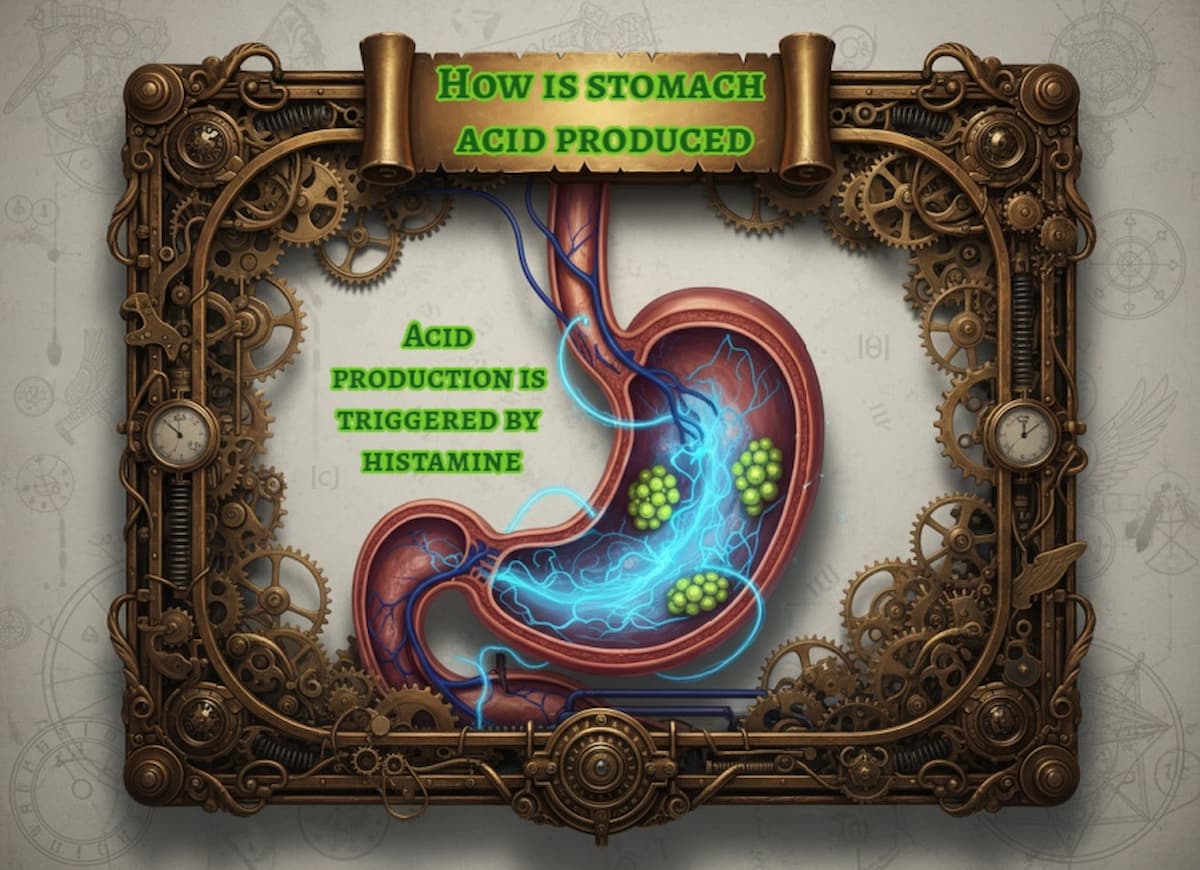
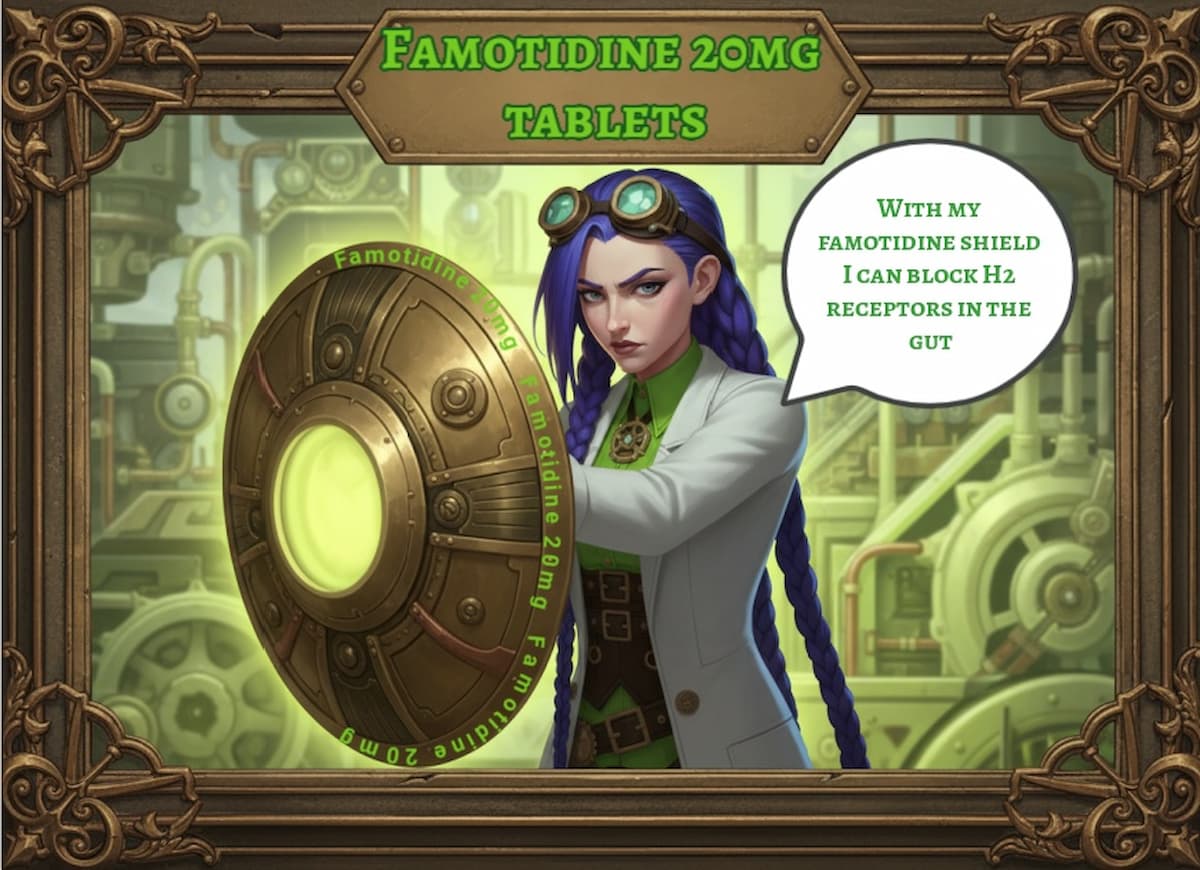
Famotidine 20mg tablets are a well-established medicine used to reduce stomach acid. They’re part of the H2 receptor antagonist family, which means they work by blocking histamine receptors in the stomach lining that trigger acid secretion [1], [2].
This makes them a go-to option for people dealing with troublesome acid reflux, heartburn, or stomach ulcers. You’ll often find them in treatment plans for both short-term symptom relief and longer-term management.
Key features of famotidine 20mg tablets:
Fast-acting relief from acid-related symptoms
Suitable for both acute and chronic conditions
Can help protect the stomach if you’re on certain other medicines, like NSAIDs
Additional information
Quantity
1 x 28, 2 x 28, 3 x 28
MOJO WISDOM
Take control of your health by understanding your condition and what this medication is doing for you.
Everything you need to know about famotidine 20mg tablets—how they work, who they’re for, and how to use them safely
Famotidine 20mg tablets: a trusted treatment for acid reflux, heartburn, and stomach ulcers.
Reduces stomach acid quickly and effectively
Used for heartburn, acid reflux, and ulcers
Suitable for both short- and long-term use
Generally well tolerated with few side effects
Also helps o reduce MCAS gut symptoms
Overview: famotidine 20mg tablets
Famotidine 20mg tablets are a staple in the world of acid suppression. They’re often used for conditions such as gastro-oesophageal reflux disease (GORD), peptic ulcers, and even rare syndromes such as Zollinger-Ellison[1], [2].
The medicine’s ability to block histamine H2 receptors means less acid in your stomach, which can bring rapid relief from burning pain and discomfort.
For many, famotidine is a long-term partner, helping to keep symptoms at bay and protect the gut lining from further damage.
It’s also a handy option for people who need to take other medications that can upset the stomach, like anti-inflammatories.
Clinical guidelines and patient stories both highlight its reliability, making it a trusted choice for both patients and professionals.
Famotidine for use in MCAS
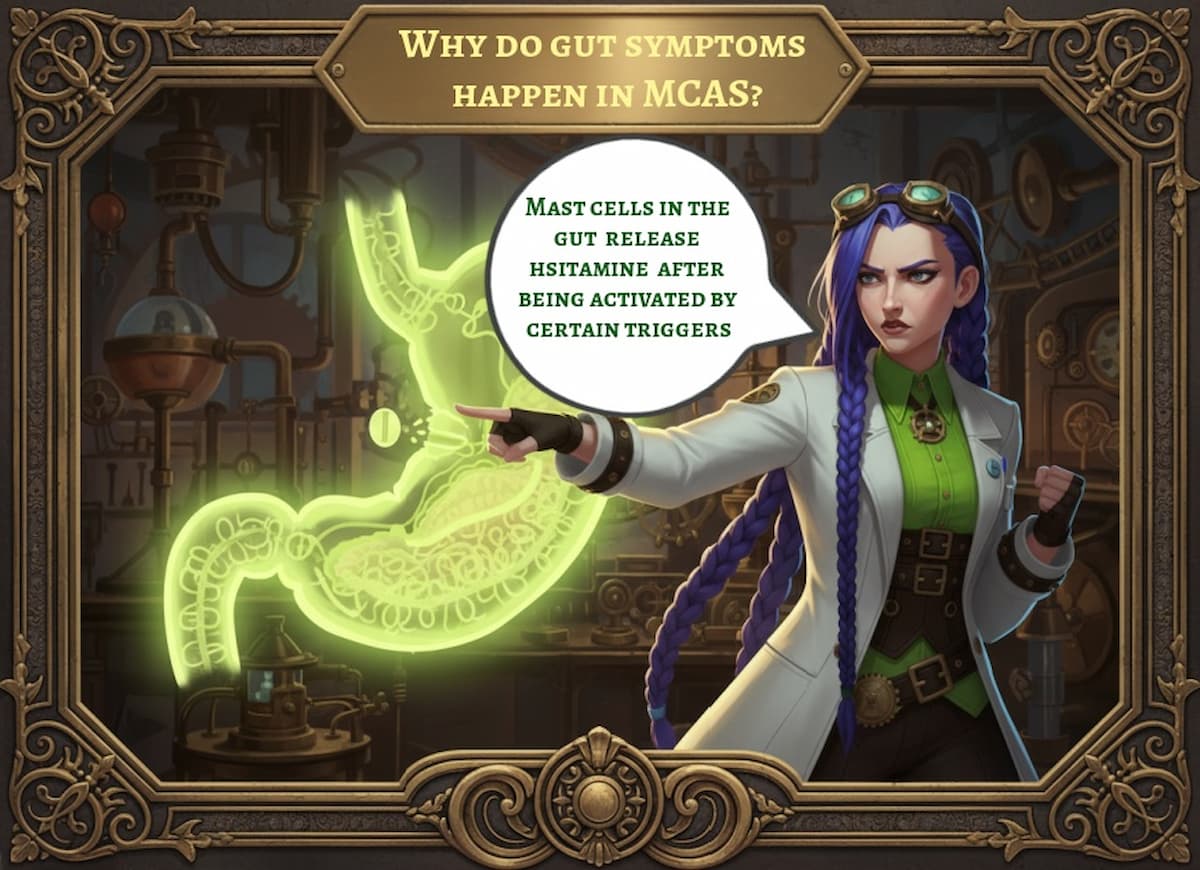
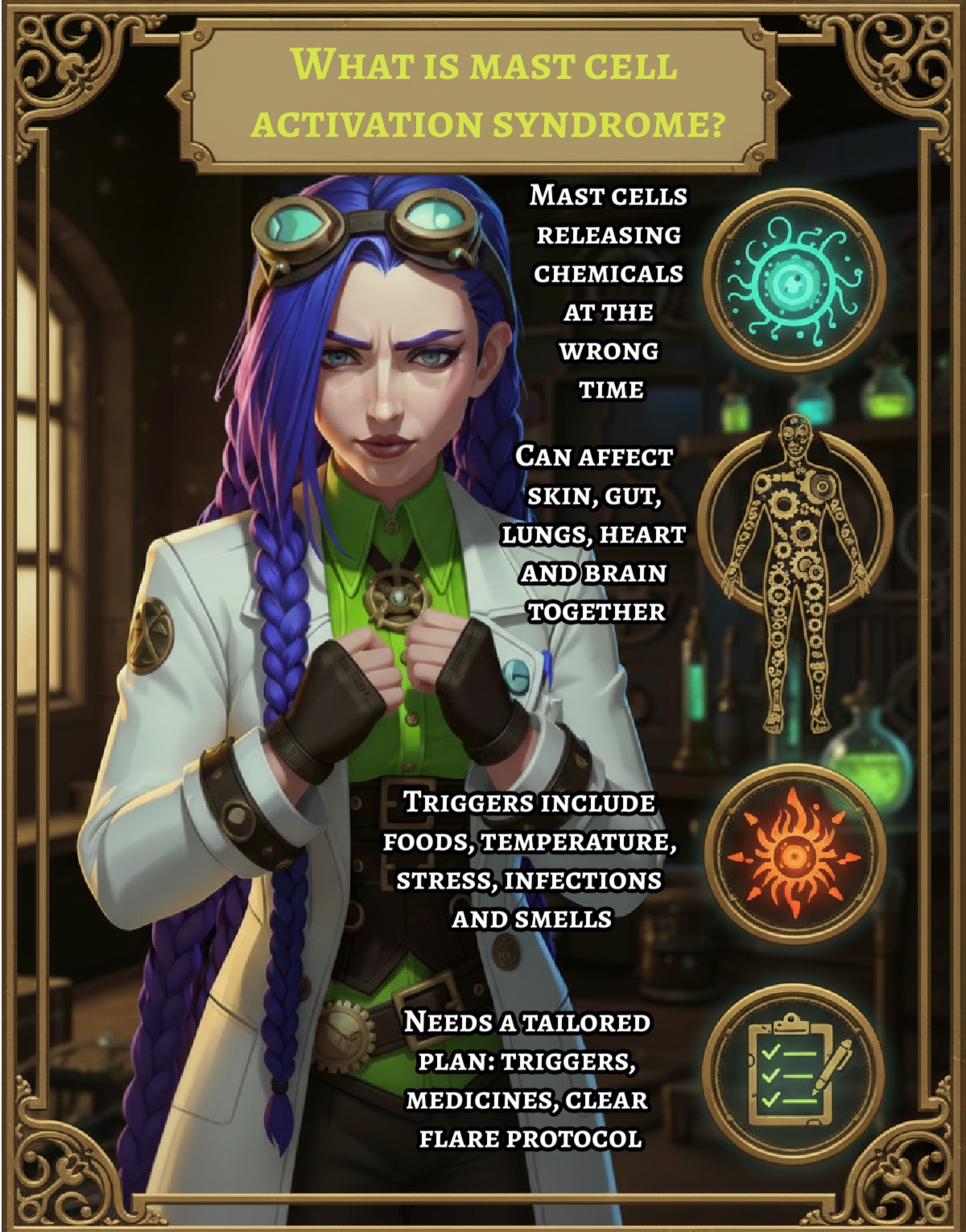
Famotidine, a type of H2 antihistamine, is increasingly used to help people with mast cell activation syndrome (MCAS) who struggle with gut symptoms like acid reflux, stomach pain, and indigestion [3], [4].
In MCAS, mast cells can release excess histamine and other chemicals that may irritate the digestive tract, leading to uncomfortable symptoms. By blocking histamine’s action in the stomach, famotidine can help reduce acid production and soothe gut discomfort [3], [4].
While it isn’t a cure for MCAS, many patients find that famotidine, often used alongside other antihistamines such as ketotifen, and mast cell stabilisers such as Nalcrom 100mg or sodium cromoglycate [3], [4].
Famotidine brings welcome relief from troublesome tummy troubles and helps manage the gut symptoms of MCAS.
Active ingredient in famotidine 20mg tablets
The active ingredient is famotidine, a selective H2 receptor antagonist. Famotidine works by blocking histamine action on the stomach’s acid-producing cells, which leads to a reduction in gastric acid secretion [1], [2]. This simple mechanism makes it highly effective for a variety of acid-related conditions.
What are famotidine 20mg tablets for?
Famotidine 20mg tablets are prescribed for a range of acid-related conditions:
Heartburn and acid reflux (GORD)
Stomach and duodenal ulcers
Zollinger-Ellison syndrome
Stomach lining protection for those on NSAIDs
Acid reflux, cramping pains and indigestion caused by MCAS
They help relieve symptoms like burning chest pain, regurgitation, nausea, and bloating [1], [2].
Famotidine may also help reduce histamine levels in conditions such as MCAS [3], [4].
How do famotidine 20mg tablets work?
When you eat, your stomach produces acid to help digest food. Sometimes, this acid can irritate the lining or leak upwards, causing pain and discomfort.
Famotidine blocks the H2 receptors that histamine uses to trigger acid production [1], [2]. With less acid, the stomach and oesophagus can heal, and symptoms ease.
The effect usually sets in within an hour and can last up to a day. This makes famotidine suitable for both quick relief and ongoing management.
The simplicity of its action means it’s less likely to interact with other medicines, which is a big plus for people taking multiple prescriptions. It’s also helpful in preventing issues in people who need to take other drugs that can upset the stomach, such as NSAIDs, like ibuprofen or naproxen.
How to use famotidine 20mg tablets
Take famotidine 20mg tablets exactly as prescribed. Usually, this means one tablet once or twice daily. Swallow the tablet whole with water, with or without food. Try to take it at the same time(s) each day for the best results [1]. If you forget a dose, take it as soon as you remember unless it’s nearly time for your next one. Never double up. If you’re unsure, check with your pharmacist or GP. Always finish the course if prescribed for a set period.
Warnings and precautions when taking famotidine 20mg tablets
Don’t take famotidine if you’re allergic to it or any of its ingredients. Let your doctor know if you have kidney or liver problems, or if you’ve had stomach cancer in the past. Always inform your healthcare provider about all medicines you’re taking, as some can interact with famotidine [1], [2].
Famotidine isn’t usually recommended for children under 18. If you’re pregnant or breastfeeding, speak to your doctor before starting famotidine. If you notice severe side effects such as rash, swelling, or breathing difficulties, stop taking it and seek medical help immediately.
Side effects of famotidine 20mg tablets
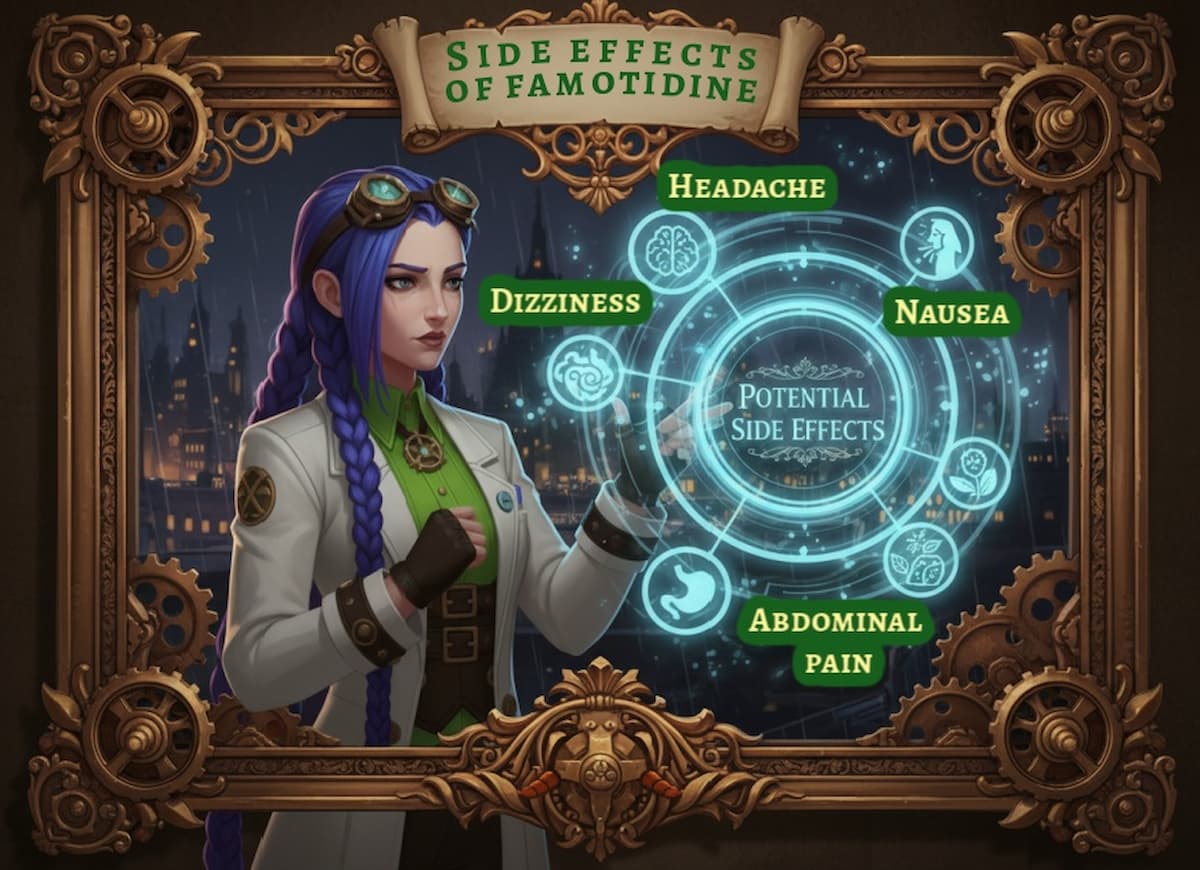
Most people tolerate famotidine 20mg tablets well, but side effects can happen. Common side effects include:
Headache
Dizziness
Constipation or diarrhoea
Nausea or abdominal pain
Flatulence
Tiredness
Dry mouth or loss of appetite
Severe allergic reactions are rare, but if they do occur, seek urgent help [1], [2]. Most side effects are mild and tend to resolve as your body gets used to the medicine.
Drug interactions: famotidine 20mg tablets
Famotidine can interact with a few other medicines, such as:
Always tell your healthcare provider about everything you’re taking, including supplements and herbal remedies. Avoid alcohol, as it may increase side effects. If in doubt, check with your pharmacist or GP.
FAQ: famotidine 20mg tablets
How quickly does famotidine 20mg start working?
Famotidine usually starts to relieve symptoms within 15 to 30 minutes, with effects lasting up to 24 hours.
Can I take famotidine 20mg with other acid reducers?
Check with your doctor before combining famotidine with other acid-reducing medicines.
Is famotidine 20mg safe for long-term use?
It can be used long-term under medical supervision, but regular review is advised.
Can I take famotidine 20mg if pregnant or breastfeeding?
Speak to your doctor before use if you are pregnant or breastfeeding.
What should I do if I miss a dose?
Please take it as soon as you remember, unless it’s close to your next dose. Don’t double up.
Are there any foods or drinks to avoid?
Avoid alcohol as it may increase side effects.
Can famotidine 20mg cause drowsiness?
Famotidine does not usually cause drowsiness.
How should famotidine 20mg tablets be stored?
Store in a cool, dry place away from children.
What are the signs of an allergic reaction?
Stop taking famotidine and seek urgent medical help if you experience rash, swelling, or breathing difficulties.
Can I buy famotidine in the UK?
Yes, you can purchase famotidine online from Medical Mojo. Complete a quick online consultation at Medical Mojo. Our pharmacists will review your suitability and arrange fast, discreet delivery.
Can famotidine help with MCAS?
It may be used off-label for some symptoms, but always consult a specialist.
What’s the difference between famotidine and other acid reducers?
Famotidine is an H2 blocker, while others, such as omeprazole, are proton pump inhibitors. Both reduce acid, but work differently.
Can I take famotidine with NSAIDs?
Yes, it’s often prescribed to help protect the stomach lining if you’re taking NSAIDs.
Is a prescription needed for famotidine 20mg tablets?
Yes, you’ll need a prescription in the UK.
Can I split or crush famotidine tablets?
Swallow tablets whole unless your doctor tells you otherwise.
How long should I take famotidine 20mg tablets?
Your doctor will advise based on your condition—some people need short courses, while others need longer ones.
Are there alternatives to famotidine?
Yes, other H2 blockers and proton pump inhibitors are available. Your doctor can advise.
What if famotidine doesn’t work for me?
Speak to your doctor for alternative options or further investigation.
Can children take famotidine 20mg tablets?
It’s not usually recommended for children under 18.
Are there any lifestyle tips to help with acid reflux?
Yes—eat smaller meals, avoid lying down after eating, and cut down on spicy foods or caffeine.
Can I drive while taking famotidine 20mg tablets?
Famotidine doesn’t usually affect driving, but if you feel dizzy, avoid driving.
Disclaimer: This article is for informational purposes only and does not replace professional medical advice.