Balancing your blood sugar is the key to steady, all-day energy. You can achieve this by making smart, consistent choices with your diet, exercise, and lifestyle. This isn’t about perfection; it’s about preventing the sharp glucose spikes and crashes that leave you feeling drained. In this guide, you’ll learn simple, practical steps to eat smarter, move more, and manage daily stresses like a pro. We’ll show you how to build healthy habits that fit into your real life, helping you feel more in control of your energy and long-term health.
Table of contents
- Five key takeaways
- Understanding blood sugar and why it matters
- The bigger picture in the UK
- The role of diet in blood sugar control
- Simple food swaps for better blood sugar balance
- Using exercise to manage your glucose
- How sleep and stress sabotage your blood sugar
- Monitoring your levels and seeking professional advice
- Summary
- Frequently asked questions
-
 Freestyle Libre 2Price range: £46.99 through £139.99

Five key takeaways
- Build a balanced plate: Always pair carbs with protein, healthy fats, and fibre to slow sugar release.
- Move after meals: A simple 10-minute walk after eating can significantly lower blood sugar spikes.
- Prioritise your sleep: Aim for 7–9 hours a night, as even one bad night can disrupt your hormones.
- Tackle your stress: Use techniques like deep breathing to lower cortisol, a key stress hormone.
- Don’t skip meals: Eating regularly prevents blood sugar from dropping too low and causing rebound spikes.
Understanding blood sugar and why it matters
Think of blood sugar, or glucose, as the main fuel for your body. It powers everything from your brain to your muscles. When you eat carbohydrates, your body breaks them down into glucose. This glucose then enters your bloodstream.
This is where a hormone called insulin steps in. Your pancreas produces insulin, which acts like a key. It unlocks your body’s cells so glucose can move out of the blood and get inside to be used for energy. It’s a beautifully simple and effective system when it’s all working in harmony.
What happens when things go wrong
Sometimes, this system becomes less efficient. This isn’t something that happens overnight. It’s often the result of long-term habits, like diet choices, a lack of physical activity, or even chronic stress.
When your cells don’t respond properly to insulin’s “key,” we call it insulin resistance. Your pancreas tries to compensate by pumping out more insulin to get the job done. Over time, it can struggle to keep up. This leads to higher levels of glucose lingering in your bloodstream.
This imbalance is behind those all-too-common symptoms:
- Sudden energy slumps, especially after meals.
- Intense cravings for sugary or starchy foods.
- Feeling irritable or wading through “brain fog.”
- Unexplained fatigue that doesn’t seem to shift.
These daily ups and downs are more than just an inconvenience. Over the long term, consistently high blood sugar can damage blood vessels and organs. This increases the risk of serious health conditions.
The bigger picture in the UK
Poor blood sugar control is a major driver behind the rise of type 2 diabetes. It’s a growing concern across the UK. As of 2023-24, nearly 4.6 million people in the UK have a diabetes diagnosis [1]. An estimated 1.3 million more are living with undiagnosed type 2 diabetes.
These aren’t just statistics; they represent real people and families. The good news is that for many, especially those with prediabetes, making proactive lifestyle changes can significantly improve blood sugar control. Understanding what’s happening in your body is the first step toward taking back control.
Pharmacist’s tip: Don’t ignore persistent symptoms like extreme thirst, frequent urination, or unexplained tiredness. These can be early warning signs of high blood sugar. A simple blood test at your GP surgery can give you clarity and help you take action sooner.
Why your lifestyle matters
The modern world can sometimes feel like it’s working against our health. Busy schedules, grab-and-go convenience foods, and high-stress jobs all conspire to disrupt our body’s natural balance.
Real-life example: Think of a busy parent juggling school runs and a full-time job. Grabbing a quick pastry for breakfast and a pre-packaged sandwich for lunch feels like a necessary time-saver. But these choices often lead to a sharp glucose spike followed by a crash, leaving them exhausted by 3 pm.
Learning how to balance your blood sugar isn’t about achieving perfection. It’s about making small, sustainable changes that fit into your real life. By understanding the ‘why’ behind blood sugar, you’re better equipped to make choices that support your daily energy and long-term health. You can learn more by reading our in-depth guide to diabetes.

The role of diet in blood sugar control
What you eat is the most powerful tool you have for managing your blood sugar. The food on your plate has a direct and immediate impact on your glucose levels. But this isn’t about cutting out everything you enjoy. It’s about being more strategic.
The idea is to use practical tactics that fit into your busy life. Once you grasp a few key ideas, you’ll feel more confident making food choices. This will help you keep your energy steady, preventing frustrating spikes and slumps.
Understanding carbohydrates and the glycaemic index
Carbohydrates get a bad rap sometimes, but they’re your body’s main source of fuel. The secret is choosing the right kind. We can sort carbs using the Glycaemic Index (GI). The GI is a scale from 0 to 100 that tells us how quickly a food raises blood sugar.
- High-GI foods like white bread and sugary cereals break down fast, causing a sharp glucose spike.
- Low-GI foods like wholegrain bread, oats, and lentils digest slowly, giving you a gentler energy release.
Simply choosing lower-GI foods more often is a game changer for keeping blood sugar stable. For example, swapping white toast for a slice of wholegrain sourdough makes a genuine difference. The extra fibre slows everything down, helping you sidestep that classic mid-morning energy crash.
Building a balanced plate
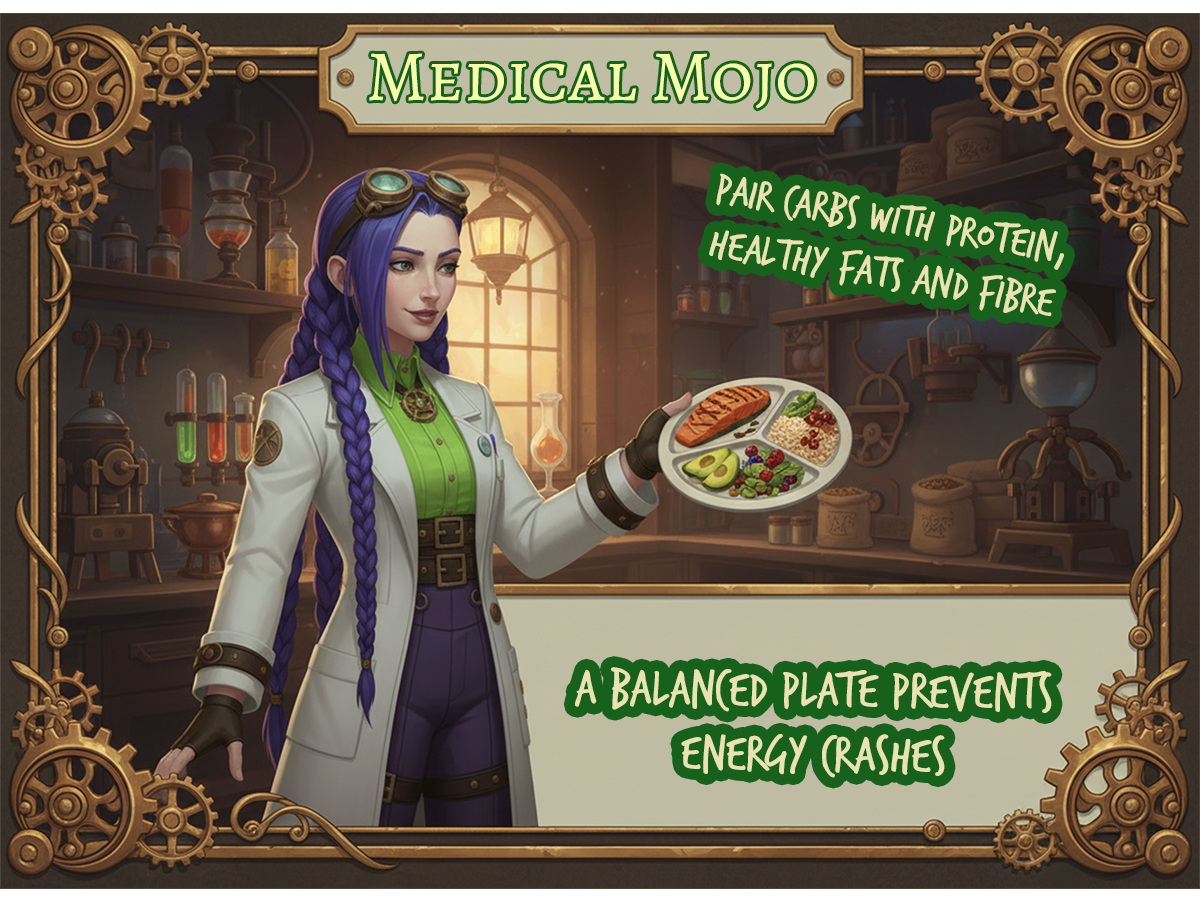
A blood-sugar-friendly meal is about the whole picture. Aim to pair your carbohydrates with a good source of protein, healthy fats, and fibre. This combination works as a team to slow down digestion and the release of sugar into your bloodstream.
Featured snippet: A balanced plate is your best defence. Always include lean protein, healthy fats, and high-fibre carbohydrates in every meal to keep your blood sugar steady.
Here’s how it works in practice:
- Protein (chicken, fish, eggs, tofu) helps you feel full and slows stomach emptying.
- Healthy Fats (avocado, nuts, olive oil) also put the brakes on digestion.
- Fibre (vegetables, whole grains) adds bulk and significantly slows down sugar absorption.
Real-life example: Imagine a busy shift worker who usually grabs a quick bowl of sugary cereal before work. That high-GI meal gives them an initial energy rush, followed by a crash a few hours into their shift. A better choice would be scrambled eggs with spinach and a slice of wholegrain toast. This meal has the perfect mix of protein, fats, and slow-release carbs to provide steady energy for hours.
Pharmacist’s tip: Don’t skip meals to try and lower your blood sugar. Going too long without eating can make your levels drop too low (hypoglycaemia). This often backfires, leading to overeating later and causing a huge glucose spike. Stick to regular, balanced meals.
Simple food swaps for better blood sugar balance
You don’t have to overhaul your entire diet overnight. Small, consistent swaps add up to big improvements in your blood sugar control.
| Instead Of This (High GI) | Try This (Lower GI) | Why It Helps |
| White pasta | Wholewheat or lentil pasta | Higher in fibre, which slows sugar absorption |
| Sugary breakfast cereal | Plain porridge with berries & nuts | Provides slow-release energy and healthy fats |
| Crisps and biscuits | A handful of almonds or an apple | Protein and fibre prevent sharp glucose spikes |
| Fizzy drinks or fruit juice | Water or herbal tea | Avoids liquid sugars that hit your system fast |
These small adjustments, when done consistently, retrain your body and your palate. This makes healthy eating feel much more natural over time.
Practical meal planning for busy lives
For a busy parent, planning a full week of meals can feel overwhelming. The trick is to keep it simple. You don’t need a rigid, complicated schedule.
Start by planning three or four evening meals for the week that follow the balanced plate model. For instance, a quick weeknight dinner could be baked salmon (protein/fat), quinoa (low-GI carb), and steamed broccoli (fibre). Cook extra, and you have a balanced lunch ready for the next day.
If making these changes stick is a challenge, professional support can help. You might find our weight loss coaching programmes helpful, as they offer personalised guidance to help you reach your health goals.
Pharmacist’s tip: Keep an eye on “hidden” sugars in processed foods. Pasta sauces, salad dressings, and “healthy” snack bars can be packed with sugar. Get into the habit of checking the nutrition label for the ‘Carbohydrates (of which sugars)’ value.

Using exercise to manage your glucose
Getting active is one of the most powerful things you can do to get your blood sugar in check. When you exercise, your muscles get hungry for fuel. They start pulling glucose out of your bloodstream to use for energy, like a sponge soaking up excess sugar. This process makes your body much more responsive to insulin.
“Exercise” doesn’t have to mean gruelling gym sessions. Anything that gets your heart pumping and makes your body work a bit harder counts. The secret to making it stick is finding something you enjoy doing.
How different types of movement help
Different activities bring unique benefits, so mixing things up is a brilliant strategy.
- Aerobic Exercise: Think brisk walking, cycling, swimming, or dancing. These activities are fantastic for improving how your body uses insulin. The NHS recommends aiming for at least 150 minutes of this kind of moderate activity every week [2].
- Resistance Training: Building muscle is incredibly helpful. Using weights, resistance bands, or even your own bodyweight makes a big difference. More muscle gives your body more places to store glucose, helping to keep it out of your bloodstream.
- Flexibility and Balance: Activities like yoga or tai chi are brilliant for reducing stress. Less stress means lower levels of the stress hormone cortisol, which can push your blood sugar up.
Don’t feel you have to do it all in one go. Breaking your activity into 10- or 15-minute chunks throughout the day is just as effective as one long workout.
Finding what works for your lifestyle
The best exercise plan is the one you’ll do consistently. Let’s look at how you can fit movement into real life here in the UK.
Real-life example (busy parent): Sarah, a mum of two, was often too drained for a formal workout. Her solution was the “walking school run.” She started parking the car a ten-minute walk from the school gates. Now, she and the kids get a 20-minute brisk walk every day. These small changes made a massive difference to her afternoon energy slumps.
Real-life example (gym-goer): Mark, a keen gym-goer, learned that timing matters. He switched his heavy lifting sessions to the afternoon. This helped his body use the carbohydrates from his lunch more effectively, preventing a post-meal glucose spike and giving him more power for his workout. He also added a short, brisk walk on his non-gym days to keep his insulin sensitivity high.
Featured snippet: A short, 10-minute walk right after your main meal can dramatically lower the post-meal glucose spike. This is one of the easiest and most effective habits you can build.
Exercise safety and best practices
To get the most out of your activity safely, a little planning goes a long way. This is particularly important if you’re managing a health condition or taking any medication.
Pharmacist’s tip: If you take certain diabetes medications, like insulin or sulphonylureas, be aware that exercise can increase your risk of hypoglycaemia (low blood sugar). Check your glucose before and after being active, and always carry a small, fast-acting carb snack—like glucose tablets or a few jelly babies—just in case.

How sleep and stress sabotage your blood sugar
We often focus on diet and exercise however sleep and stress are two powerful factors working behind the scenes. What’s going on in your head and how well you rest at night have a direct, physical impact on your glucose control.
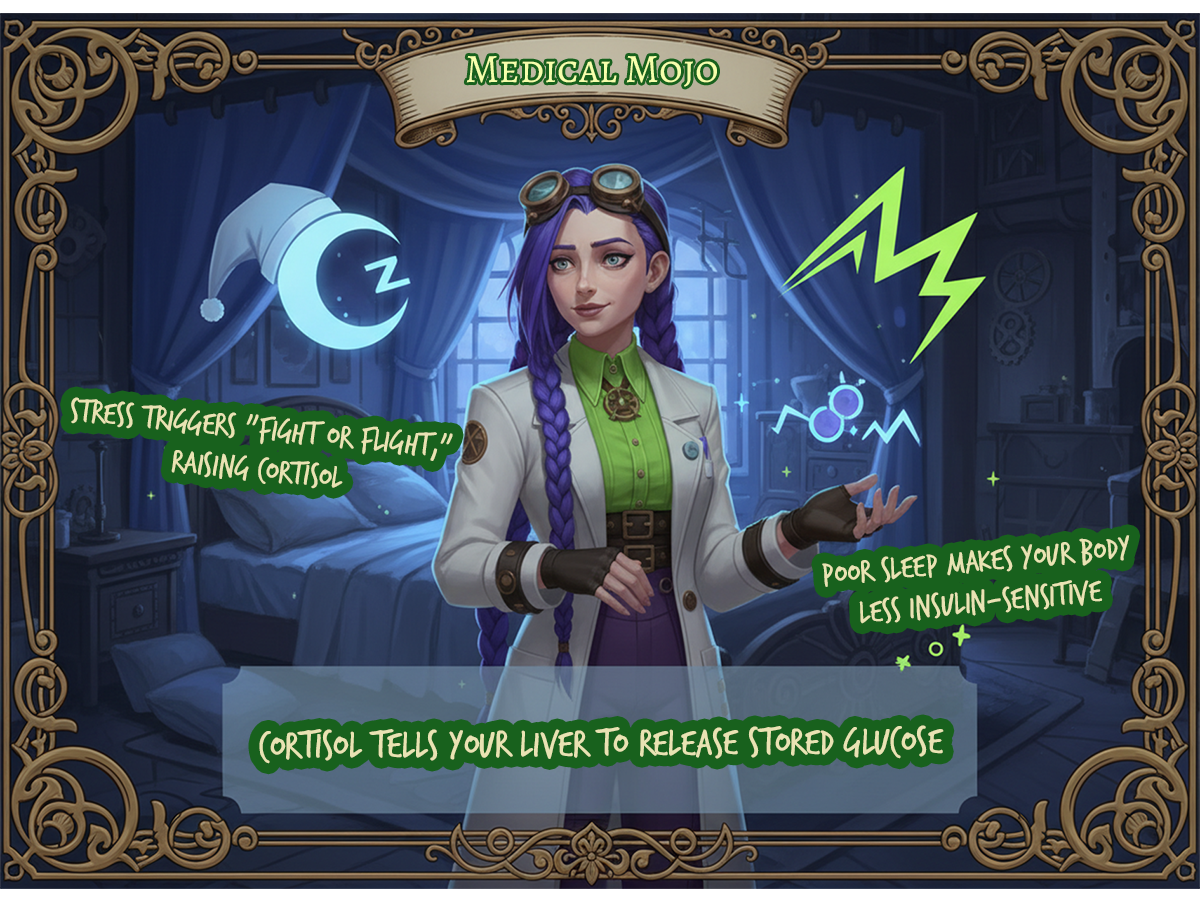
When you’re stressed or haven’t slept properly, your body pumps out hormones like cortisol. Cortisol is your body’s alarm system. It tells your liver to release stored glucose into your bloodstream for a quick burst of energy. That’s great if you’re running from danger, but not helpful when the “threat” is a work deadline or a night spent tossing and turning.
If you live with chronic stress or poor sleep, that constant drip-feed of sugar into your blood makes it much harder for insulin to do its job. Over time, this can be a major contributor to insulin resistance.
The science behind stress and spikes
When you feel stressed, your body shifts into “fight or flight” mode. This response doesn’t know the difference between physical danger and mental anxiety. Your heart rate climbs, your breathing gets faster, and cortisol floods your system.
This hormonal surge raises your blood sugar for instant energy. But if you don’t burn that energy, the glucose just hangs around in your bloodstream. This can undo all the good work you’ve put in with your diet and exercise.
Simple ways to manage daily stress
You can’t eliminate stress, but you can learn how to manage your reaction to it. The aim is to activate your body’s relaxation response, which helps lower cortisol and stabilise your blood sugar.
Here are a few practical techniques that genuinely work:
- Mindful breathing: Inhale slowly for a count of four, hold for four, then exhale slowly for six. This simple action can lower your heart rate and calm your body.
- A short walk in nature: Getting outside, even for 10-15 minutes in a local park, can make a huge difference to your stress levels.
- Journaling: Get your worries out of your head and onto paper. This can create mental space and make stressors feel more manageable.
Why a good night’s sleep is non-negotiable
Just one bad night’s sleep can make your body less sensitive to insulin the next day. When this becomes a habit, the effects multiply. Regularly getting fewer than seven hours of sleep a night is a major risk factor for developing insulin resistance [3].
Poor sleep also throws your hunger hormones out of balance. This is why you often crave sugary, high-carbohydrate foods when you’re tired. It’s your body’s desperate attempt to find a quick energy source, which kicks off a vicious cycle of sugar spikes and crashes.
Pharmacist’s tip: Create a relaxing “wind-down” routine before bed. For at least 30 minutes, switch off screens, dim the lights, and do something calming like reading a book. This helps signal to your brain that it’s time to sleep. For more ideas, check out our guide with fifteen tips for healthy sleep.
These lifestyle factors are central to your metabolic health. You can discover more insights about these diabetes statistics on GOV.UK. Taking steps to manage your mental wellbeing is one of the most powerful things you can do to support your blood sugar goals.
Monitoring your levels and seeking professional advice
Taking control of your health starts with understanding your own data. For blood sugar management, this means knowing your numbers and when to ask for help. Monitoring gives you real-time feedback on how your diet, exercise, and stress affect your body.
Not everyone needs to check their blood sugar daily. But if you have prediabetes, diabetes, or struggle with symptoms like fatigue, it can be an incredibly useful tool. It shifts you from guesswork to informed decisions.
Ways to check your blood sugar
You can keep an eye on your glucose levels in a couple of different ways.
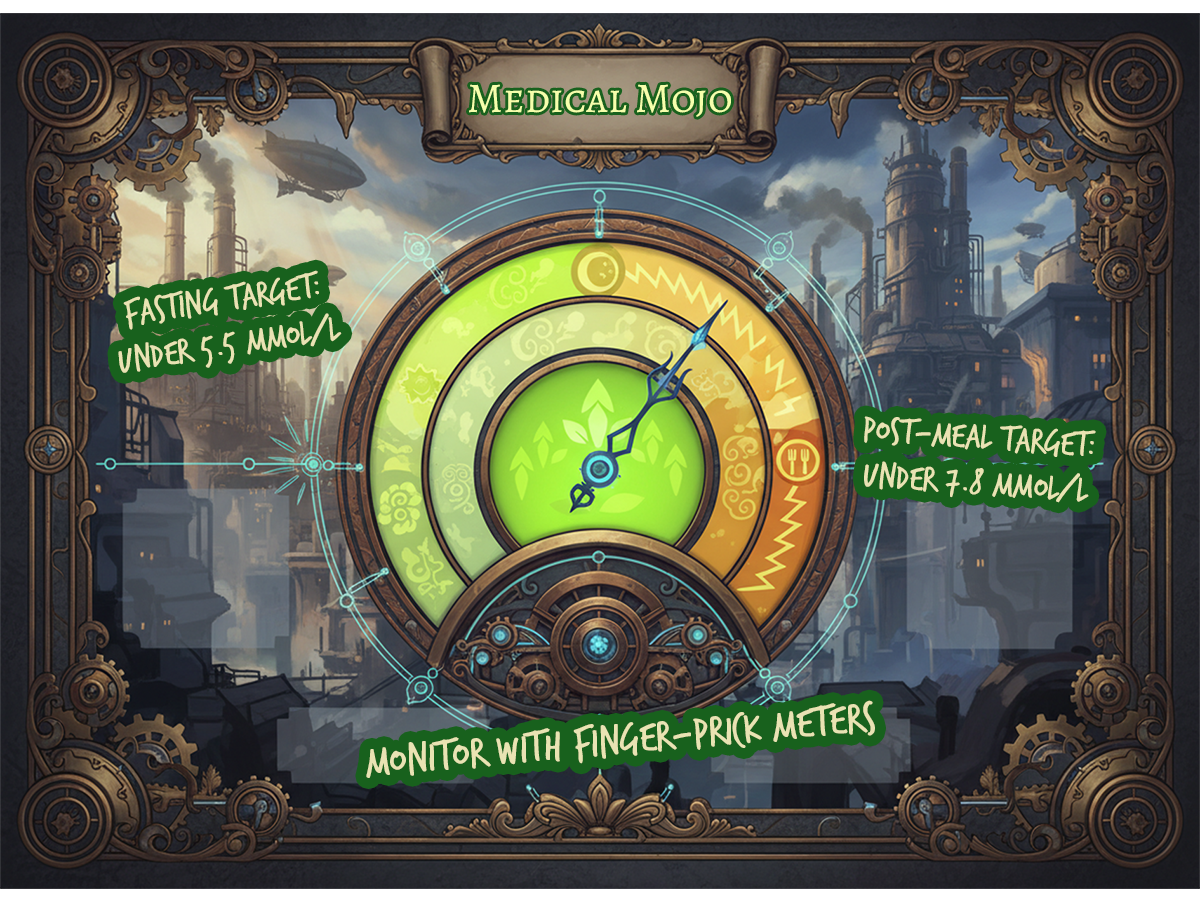
- Finger-prick blood glucose meters: This is the traditional method. You use a small device called a lancet to prick your finger and place a drop of blood on a test strip.
- Continuous glucose monitors (CGMs): These are small, wearable sensors that sit just under the skin. They measure glucose every few minutes, sending the data to your smartphone. A CGM gives you a fuller picture of your glucose patterns.
If you’re interested in a deeper insight into your glucose trends, exploring a Freestyle Libre 2 CGM can offer valuable data without constant finger-pricking.
The key takeaway here is that feeling tired isn’t just about needing more coffee. It can be a sign that underlying issues with sleep or stress are disrupting your metabolic health.
Understanding your target ranges
So, what numbers should you aim for? Your doctor will give you personalised targets, but here are the general UK guidelines.
| When to Test | Target for Adults Without Diabetes | Target for Adults With Diabetes |
| Fasting (before breakfast) | Under 5.5 mmol/L | 5 to 7 mmol/L |
| 2 hours after a meal | Under 7.8 mmol/L | Under 8.5 mmol/L |
An occasional reading outside this range isn’t usually a cause for alarm. However, if you consistently see high or low readings, that’s a clear signal to seek advice.
When to seek help from a professional
Self-monitoring is a tool, not a diagnosis. It’s vital to know the red-flag symptoms that mean you should talk to a healthcare professional, like your GP or local pharmacist, right away.
Seek help if you notice:
- Signs of high blood sugar (hyperglycaemia): extreme thirst, frequent urination (especially at night), blurred vision, or unexplained fatigue.
- Signs of low blood sugar (hypoglycaemia): feeling shaky, dizzy, anxious, sweating, a racing heartbeat, or confusion.
Pharmacist’s tip: Your local pharmacy is a fantastic, accessible resource. Pharmacists can review your medications, offer advice on managing side effects, and provide practical support. Don’t hesitate to pop in for a chat.
Summary
In summary, learning how to balance blood sugar levels is a powerful way to boost your daily energy and protect your long-term health. The core strategy is to eat balanced meals that combine slow-release carbohydrates with protein, fibre, and healthy fats. Regular physical activity, even a short walk after meals, makes your body much more sensitive to insulin. Don’t underestimate the impact of stress and poor sleep, as both can sabotage your efforts by raising blood sugar. By making small, consistent changes, monitoring your progress, and seeking advice when you need it, you can take meaningful control of your metabolic health.
Frequently asked questions
What is the best breakfast for stable blood sugar?
The best breakfast combines protein, healthy fats, and fibre. This slows sugar absorption and prevents a mid-morning energy crash. Great options include scrambled eggs on wholegrain toast with avocado, or plain Greek yoghurt with berries and nuts.
Can I still drink alcohol?
Yes, but with planning. Alcohol can cause your blood sugar to drop, so it’s best to drink in moderation and always with a meal. Choose lower-sugar drinks like dry wine, light beer, or spirits with a sugar-free mixer.
Are there any supplements that genuinely help?
Some supplements, like cinnamon and magnesium, show potential for helping with blood sugar regulation in studies [4]. However, the evidence isn’t strong enough to recommend them as a first-line treatment. Always speak with your doctor or pharmacist before starting any new supplement, as they can interfere with medications.
How quickly can I actually see an improvement?
You can see improvements in your daily blood sugar readings within just a few days of making consistent diet and exercise changes. Broader health markers, like your HbA1c (a three-month average), will take several weeks to three months of sustained effort to show a meaningful shift.
Does menopause affect blood sugar levels?
Yes, it can. During perimenopause and menopause, hormonal changes can affect how your cells respond to insulin. This can sometimes lead to insulin resistance, making blood sugar control more challenging. It’s common for women to see more unpredictable readings during this time.
What about weight loss medications?
For some people, losing weight is a vital part of getting blood sugar under control. Certain medications have proven to be very effective tools in helping with this. You can learn more in our detailed guide on GLP-1 agonists and weight loss. This is a conversation worth having with your healthcare provider.
What is a normal blood sugar level in the UK?
For an adult without diabetes, a normal fasting blood sugar level is under 5.5 mmol/L. After a meal, it should be under 7.8 mmol/L. For adults with diabetes, the targets are typically a bit higher, as advised by their healthcare team.
Can drinking water lower blood sugar?
Yes, staying hydrated helps your kidneys flush out excess sugar through urine. Dehydration concentrates the glucose in your blood, causing levels to rise. Drinking enough water is a simple but effective way to support healthy blood sugar balance.
Disclaimer: This article is for informational purposes only and does not constitute medical advice. Always consult with a qualified healthcare professional for any health concerns or before making any changes to your treatment plan.
References
[1] Diabetes UK. (2024). Available at: Number of people living with diabetes in the UK tops 5 million for the first time
[2] NHS. (2023). Available at: Physical activity guidelines for adults aged 19 to 64 – NHS
[3] Leproult, R. and Van Cauter, E. (2009). Available at: Role of Sleep and Sleep Loss in Hormonal Release and Metabolism | Paediatric Neuroendocrinology | Books Gateway | Karger Publishers
[4] National Center for Complementary and Integrative Health. (2023). Available at: Cinnamon: Usefulness and Safety | NCCIH