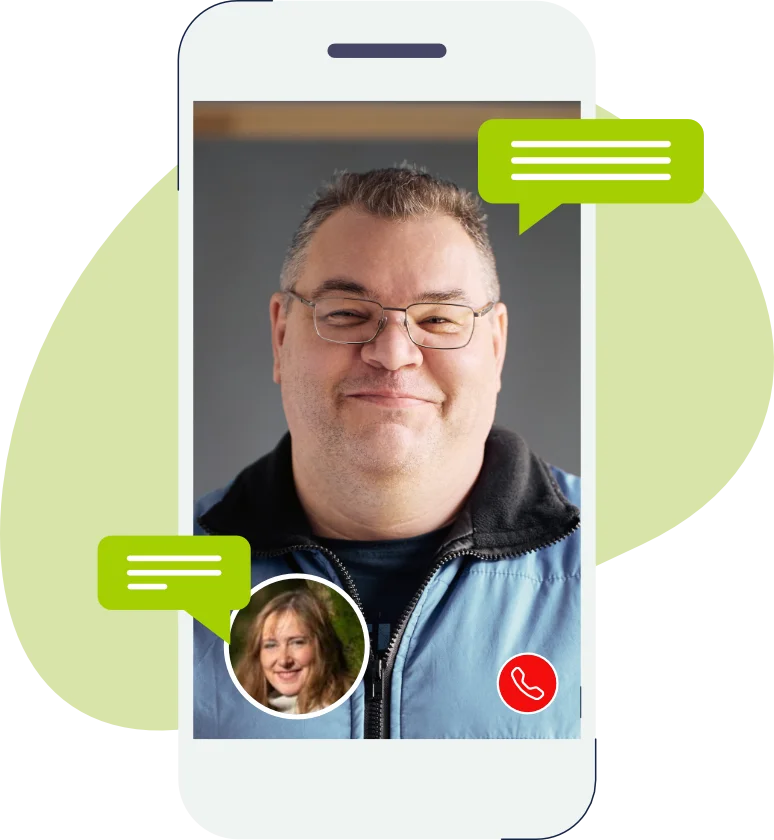
Getting a prescription online in the UK is a safe and regulated way to manage your health without leaving home. You choose a legitimate online pharmacy, complete a confidential health questionnaire, and a UK-based clinician reviews it. If approved, a registered pharmacy delivers your medication discreetly to your door. This guide explains exactly how it works, what to look for in a safe service, and when it’s the right choice for you. You’ll learn how to prepare for a consultation, what happens after you’re approved, and how to spot a medical emergency where online help isn’t suitable.
Table of contents
- Key takeaways
- How do online prescriptions work in the UK?
- Choosing a safe and legitimate online pharmacy
- Getting ready for your online consultation
- What to expect from your online prescription journey
- Getting your medication and managing your treatment
- When an online prescription is not the right choice
- Summary
- FAQs
-
 Wegovy 0.25mg injectionPrice range: £125.99 through £459.99
 -
Wegovy 1mg injectionPrice range: £125.99 through £459.99
-
Wegovy 2.4mg injectionPrice range: £239.99 through £899.99


Key takeaways
- Safety first: Always use UK services registered with the General Pharmaceutical Council (GPhC) or Care Quality Commission (CQC).
- Honesty is vital: Be completely open about your symptoms, medical history, and other medicines you take during your online consultation.
- It’s not for everything: Online prescriptions are great for specific, non-urgent conditions but not for medical emergencies or complex issues.
- Your privacy is protected: Legitimate providers use secure systems and follow strict UK data protection laws (GDPR).
- Convenience and control: Get treatment delivered to your door, fitting healthcare around your life, not the other way around.

How do online prescriptions work in the UK?
Figuring out how to get a prescription online might seem complicated, but it’s a simple, safe part of modern UK healthcare. The system is built to be convenient and private.
It saves you the hassle of booking a GP appointment for straightforward conditions or repeat prescriptions. You can complete the health assessment from your sofa, whenever it suits you. No more taking time off work or juggling your schedule.

How is it different from seeing a GP?
The main difference is the consultation format. Your GP sees you face-to-face for a chat and a physical check. Online services use detailed digital questionnaires or video calls to gather the same crucial information.
A registered UK clinician then reviews your answers to make a clinical decision, just as they would in person. This works well for many conditions where a hands-on exam isn’t needed.
Quick answer: An online prescription involves completing a digital health assessment, which a UK clinician reviews to see if treatment is safe and suitable for you, before a pharmacy sends it to your home.
Online vs traditional prescription process
| Feature | Online Prescription Service | Traditional GP Practice |
| Accessibility | Available 24/7 from anywhere in the UK. | Limited to surgery opening hours. |
| Consultation Format | Online questionnaires or video calls. | In-person appointments. |
| Speed | Decisions are often made within hours. | Can mean waiting days or weeks for an appointment. |
| Convenience | Medication delivered directly to your home. | Requires a trip to the surgery and then the pharmacy. |
| Conditions Treated | Best for specific, non-urgent conditions. | Suitable for all health concerns, including complex issues. |
Ultimately, both paths lead to the same goal: getting you the right treatment from a qualified professional. The online option just cuts out a lot of the waiting around.
This shift towards digital healthcare isn’t a small trend. People want easier, more direct ways to handle their health. Using an online service gives you more control and fits healthcare into your life. To see how our own platform works, you can find out more in the Mojo Guide.
Choosing a safe and legitimate online pharmacy
Finding a service, you can trust is vital when your health is involved. Luckily, all legitimate online pharmacies and clinics in the UK are regulated. They must meet the same strict safety standards as your local GP surgery. Knowing how to spot these markers of authenticity is your best defence against rogue websites.
Check for regulatory bodies
Before you fill out any forms, do a quick check for registration with UK healthcare regulators. These organisations ensure services are safe and properly managed.
The two main regulators you need to know about are:
- The General Pharmaceutical Council (GPhC): This body regulates all pharmacies in Great Britain. A legitimate online pharmacy must display its GPhC registration number.
- The Care Quality Commission (CQC): This is the independent regulator for health and social care services in England. If an online service has its own doctors or prescribers, it must be registered with the CQC.
You should find these registration details easily, usually in the website’s footer. If you can’t find them, it’s a massive red flag.
Verifying a pharmacy’s GPhC registration
Checking a pharmacy’s registration is a quick and essential step. The GPhC has a simple online register you can use.
Just visit the official GPhC website and enter the pharmacy’s registration number or name. This will confirm they can legally dispense medicines in the UK. The search result will show you their registered address and status. If they don’t appear on the register, do not use them.
Pharmacist’s tip: Look for the green GPhC registered pharmacy logo on the website. Clicking it should take you directly to their entry on the GPhC register. It’s a quick-check feature designed for patient safety.
Spotting unsafe or illegal websites
Beyond official registrations, other signs can show a dodgy operator. An illegal site might promise prescription-only medicines without any consultation. This is against the law and incredibly dangerous. A trustworthy provider will always insist on a thorough health assessment.
Here’s a quick checklist of what to watch out for:
- No consultation required: This is a huge warning sign.
- No UK address or phone number: Genuine UK providers will have verifiable contact details.
- Poorly written content: A website with many spelling mistakes often signals an unprofessional operation.
- Suspiciously low prices: If a deal on a prescription medicine seems too good to be true, it probably is.
Think of it this way: a busy shift worker needing a repeat asthma inhaler might be tempted by a site offering next-day delivery with no questions asked. A proper service would always ask about their last asthma review and check for new symptoms. This care separates safe, professional services from a risky shortcut.

Getting ready for your online consultation
A little prep work helps make your online consultation a success. Whether it’s a questionnaire or a video chat, giving the clinician clear and accurate information is the only way they can make a safe prescribing decision.
Think of it like a face-to-face GP visit, but without the travel. Having your details ready speeds things up and ensures the treatment you get is right for you. Honesty is essential; the prescriber relies entirely on what you tell them.
Get your details in order first
Before you start your consultation, spend five minutes getting the basics together. It makes the whole process smoother.
You’ll likely be asked for:
- Personal Details: Your full name, date of birth, and home address.
- Photo ID: Have your driving licence or passport nearby. Regulated services need to verify who you are.
- Your GP’s Details: It’s good practice for online prescribers to know who your regular GP is. They will always ask for your consent before sharing information.
Be ready to talk about your health
To decide if a treatment is safe, the online prescriber needs a complete picture of your health.
Pharmacist’s tip: Don’t hold back or dismiss symptoms you think are irrelevant. For example, mentioning you occasionally get indigestion could be a crucial detail if you’re asking for a medicine known to affect the stomach. Small details often matter most.
Jot down a few notes covering these key points:
- Your symptoms: Be specific. Instead of “I feel unwell,” try “For five days, I’ve had a dry cough that gets worse when I lie down.”
- Your medical history: List any significant conditions like high blood pressure, asthma, or diabetes.
- All your current medications: Write down everything you take. This includes prescriptions, over-the-counter items, vitamins, and herbal supplements.
- Any known allergies: Make a note of any allergies to medicines or anything else.
Providing this detail allows the prescriber to make a sound clinical judgement. This thorough approach is what makes UK online consultations convenient without cutting corners on safety.

What to expect from your online prescription journey
The process to get a prescription online is very logical and built with patient safety in mind. From the moment you land on a website to your medication arriving, every step has a purpose. Let’s walk through the entire process, so you know exactly what to expect.
Your first steps: choosing a treatment
Your journey starts on a regulated online clinic’s website. You’ll first navigate to the condition you need help with, such as managing your weight or a skin concern.
You will see the available treatment options. Good sites provide clear information about each medicine, including how it works and potential side effects. This is your chance to get informed before you commit.
Completing the health assessment
This is the most crucial part of the journey. You’ll complete a detailed, confidential online questionnaire. It covers your symptoms, medical history, and any other medications you’re taking.
Pharmacist’s tip: Be completely honest and thorough. The prescriber relies solely on this information to make a safe clinical decision for you. Holding back details could lead to an ineffective or even harmful treatment.
Identity verification and prescriber review
After you submit your questionnaire, the service will verify your identity. This is a legal requirement to prevent fraud and ensure they treat the right person.
Next, a UK-registered prescriber will review your answers. They will assess your information against strict clinical guidelines to decide if the treatment is safe and appropriate for you. They are looking for any medical reasons why that medicine might not be the right fit.
A typical online prescription timeline
| Stage | Typical Timeframe | What Happens |
| Health Questionnaire | 5-15 Minutes | You complete a detailed online form about your health. |
| Prescriber Review | 1-24 Hours | A UK clinician reviews your information for safety. |
| Outcome Notification | Within 24 Hours | You receive a secure message about the decision. |
| Dispensing & Dispatch | 24-48 Hours (Mon-Fri) | If approved, a pharmacy prepares your medication. |
| Delivery | 1-3 Business Days | Your medication is shipped via a tracked courier. |
As you can see, the process is quick but thorough, prioritising safety at every step.
Getting your outcome and tracking delivery
You’ll be notified of the decision via email or a secure message. The outcome will be one of three things:
- Approved: Your prescription is sent to a registered pharmacy to be dispensed.
- More information needed: The prescriber might send you a secure message to clarify a detail.
- Denied: If the treatment isn’t suitable, you’ll get a clear explanation and advice on what to do next.
Once your medication is on its way, you’ll receive tracking information so you can follow its journey. If you’re curious about how this model compares to NHS initiatives, read our article on what Pharmacy First is and how it will affect GP appointments.

Getting your medication and managing your treatment
Once your online consultation is approved, you’re on the home straight. The final steps are about getting your treatment safely and knowing what to do once it arrives. This part of the process is designed to be simple, secure, and supportive.
Payment and delivery
After your prescription is approved, you’ll be prompted to pay. Reputable online pharmacies use secure payment gateways to keep your details safe.
Next is delivery. Most services offer options like standard or next-day delivery. Your medication will always arrive in plain, unbranded packaging to protect your privacy.
Getting to grips with the patient information leaflet
Every prescription medicine comes with a Patient Information Leaflet (PIL). This crucial document tells you everything you need to know, including:
- How to take the medicine correctly.
- A full list of potential side effects.
- Who shouldn’t take the medicine.
- How to store it safely.
You’ll find a paper copy in the box, but many online services also offer a digital version in your patient account.
Aftercare and follow-up support
Your care doesn’t stop when your package arrives. Good online services provide solid aftercare, so you’re never left in the dark.
If you think you’re having a side effect or are unsure about something, you can contact the clinical team easily. This is usually through a secure messaging portal or a dedicated phone line.
Pharmacist’s tip: When your package arrives, double-check that the medication is exactly what you were prescribed. Confirm the medicine’s name, strength, and that the dosage instructions match what you were told. If anything seems wrong, contact the provider straight away before taking anything.
Managing repeat prescriptions
For ongoing conditions like high blood pressure or contraception, managing repeats online is a game changer. Most platforms keep a secure record of your treatment history, making reordering simple.
Typically, you’ll need to complete a quick follow-up questionnaire each time you reorder. This is a vital safety check to confirm nothing has changed with your health. If you need ongoing essentials, learn more about ordering medical supplies online.
When an online prescription is not the right choice
Online healthcare is a brilliant tool, but it has its limits. Your health always comes first. That means recognising when to shut the laptop and get immediate, in-person medical help.
Spotting a medical emergency
Some situations need a hands-on assessment in a hospital, fast. If you or someone else experiences any of the signs below, you must call 999 or go to your nearest A&E immediately.
- Severe chest pain: A heavy pressure or squeezing sensation across your chest.
- Difficulty breathing: Struggling to speak in full sentences or feeling breathless when still.
- Signs of a stroke: Face drooping, unable to lift both arms, and or sudden slurred speech.
- Heavy bleeding: Any bleeding that you cannot control.
- Sudden confusion or altered consciousness: Fainting, becoming unresponsive, or being very disoriented.
- Severe allergic reactions: Swelling of the lips, tongue, or throat.
These are critical moments where every second counts. An online consultation is never the right choice here.
Conditions requiring an in-person assessment
Beyond emergencies, some health issues can’t be properly diagnosed online. They need a physical examination or involve complex, long-term care from your regular GP.
A responsible online clinic will tell you they can’t help with:
- Anything needing a physical exam: Such as undiagnosed lumps or severe tummy pain.
- Complex mental health issues: Conditions like severe depression or psychosis require face-to-face care.
- Requests for controlled drugs: Medicines with a high potential for misuse, like strong opioid painkillers, are not prescribed remotely for safety reasons.
Think of online services as one part of modern healthcare. They work alongside your GP and emergency services, not as a replacement for them.

Summary
In summary, getting a prescription online in the UK can be a very safe and convenient option for many common health conditions. Always start by choosing a provider that is regulated by the GPhC or CQC. You will need to complete an honest and thorough health questionnaire, which a qualified UK clinician will review. If your treatment is approved, your medication is delivered discreetly to your home. While it’s a great service, remember it’s not suitable for medical emergencies or complex health problems that require a physical examination. Always use your judgement and seek urgent in-person care when needed.
FAQs
Is getting a prescription online legal and safe in the UK?
Yes, it is legal and safe if you use a properly regulated service. Legitimate UK online clinics must be registered with the General Pharmaceutical Council (GPhC) or the Care Quality Commission (CQC). These bodies ensure they meet the same high safety standards as your local GP surgery.
Will my GP find out?
Reputable online services will ask for your consent to share treatment details with your GP. This ensures your medical records are complete, which is good medical practice. They will never share this information without your permission.
How is my personal information kept private?
Your privacy is protected by UK law, including GDPR. Regulated health services use secure, encrypted systems to handle your personal and medical data. This keeps your information as confidential as it would be within the NHS.
What happens if my request for a prescription is turned down?
If a clinician decides a treatment isn’t safe for you, they will decline the request. This is a sign that the safety checks are working correctly. You will receive a clear explanation and advice on what to do next, such as seeing your GP.
Can I get any kind of medicine online?
No, you cannot. Online services are suitable for many common, non-urgent conditions. However, they are not used for medications that need a physical exam, close monitoring, or have a high potential for misuse, such as controlled drugs like strong opioid painkillers.
How can I be sure the clinician is qualified?
Every prescriber working for a regulated UK service must be registered with their professional body, like the General Medical Council (GMC) for doctors or the GPhC for pharmacists. Reputable providers are transparent about their team’s credentials, often on their website.
This article is for informational purposes only and does not constitute medical advice. Always seek the advice of a qualified healthcare professional for any medical concerns.
Ready to manage your health with the convenience and confidence you deserve? At Medical Mojo, our team of UK-registered clinicians is here to provide safe, discreet, and expert care.